
Play Kitchen For Toddlers 1-3

📖 Table of Contents
- Why a Play Kitchen Matters for Toddlers 1-3
- The Best Time to Introduce a Play Kitchen
- What to Look for in a Play Kitchen for Toddlers 1-3
- Encouraging Imaginative Play with a Play Kitchen
- How to Set Up a Play Kitchen for Toddlers
- Tips for Making the Most of Play Kitchen Time
- How Play Kitchens Help with Social Skills
- Incorporating a Play Kitchen into Daily Routines and Learning
- Maximizing Safety and Durability in Play Kitchen Use
- Make It Your Way
- Frequently Asked Questions
When my daughter turned two, we decided it was time to bring a play kitchen into our home. I had no idea how much this simple addition would change our daily rhythm. Watching her mimic cooking, measure ‘ingredients’ with a wooden spoon. ‘serve’ food to her dolls was more than just fun — it was a window into her imagination and a stepping stone for her development.
Our kitchen quickly became a hub of activity. She would spend hours arranging plastic plates, stacking cups, and sorting ‘spices’ into jars. It was messy, but it was also a place where her creativity flourished. I learned that a play kitchen for toddlers 1-3 isn’t just about toys — it’s about fostering independence, language, and social skills.
Over time, I noticed that our play kitchen became a space where she could practice real-life skills in a safe environment. It taught her how to follow instructions, how to take turns, and how to express her needs. For parents of toddlers 1-3, this is more than just a plaything — it’s an investment in their future.
Why You'll Love This Play Kitchen Setup
- Encourages imaginative play and cognitive development
- Teaches real-life skills like counting, sorting, and sequencing
- Promotes social interaction and cooperation
- Boosts confidence through hands-on learning
Why a Play Kitchen Matters for Toddlers 1-3
As of November 2026, for toddlers aged 1-3, a play kitchen provides a safe environment to explore roles, practice problem-solving, and build fine motor skills. It's a place where they can mimic real-life tasks like cooking, cleaning, and serving food.
Research shows that pretend play enhances language development and emotional intelligence. When toddlers engage in role-play, they're practicing communication, negotiation, and empathy — skills that are vital for their growth.
I’ve noticed that my daughter’s vocabulary expanded dramatically after we introduced the play kitchen. She began using words like ‘bake,’ ‘serve,’ and ‘clean’ in her daily conversations, showing how this simple addition has had a huge impact on her language skills.
Look for a play kitchen with large, easy-to-hold pieces. Avoid small parts that could be a choking hazard for toddlers under three.
Part of our Indoor toddler games guide.
The Best Time to Introduce a Play Kitchen
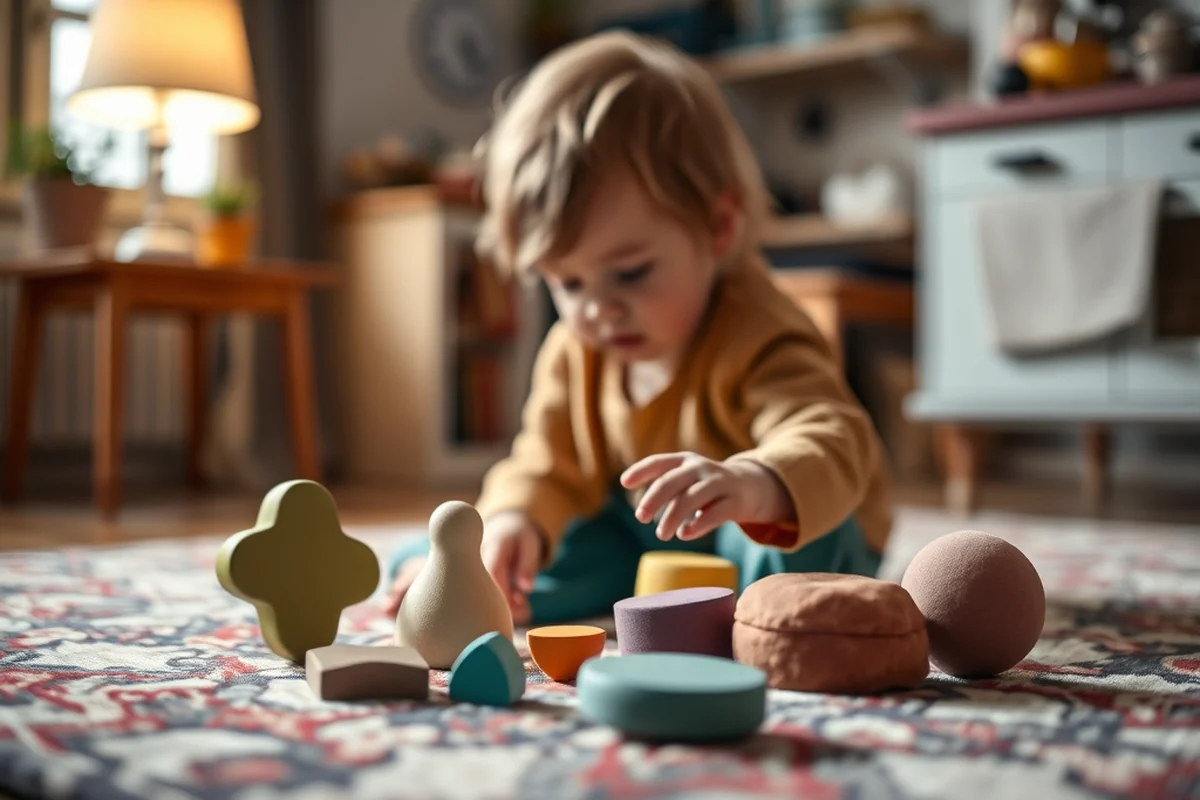
Toddlers typically begin to show an interest in pretend play around 18 months, but their ability to engage with a play kitchen fully develops between 2 and 3 years old. It's important to wait until your child is developmentally ready.
I introduced the play kitchen when my daughter was two, and she immediately gravitated toward it. She would sit for hours arranging the play food and utensils, showing her growing interest in helping and imitating adult behavior.
However, if your toddler is not interested, don't force it. Wait for their cue — it's a sign of readiness for more complex pretend play.
Wait for your toddler's cue — it's a sign of readiness for more complex pretend play.
Related: Fun indoor games with kids
What to Look for in a Play Kitchen for Toddlers 1-3
When selecting a play kitchen for toddlers, prioritize safety. Look for models made from non-toxic materials and with rounded edges. Avoid anything with small parts that could be a choking hazard.
I chose a wooden play kitchen that was sturdy and easy to clean. It had a variety of pretend food and utensils, which kept my daughter engaged for hours. The play kitchen also had storage compartments, which helped keep the area organized.
Another thing to look for is versatility. A play kitchen that can be used for different pretend scenarios — like a bakery or a diner — offers more learning and play value.
Use storage bins or shelves to keep play kitchen items organized. This encourages independence and helps your toddler find what they need without help.
“When my daughter turned two, we decided it was time to bring a play kitchen into our home.”— Indoorbounce editors
Related: Games for 3 year olds
Encouraging Imaginative Play with a Play Kitchen
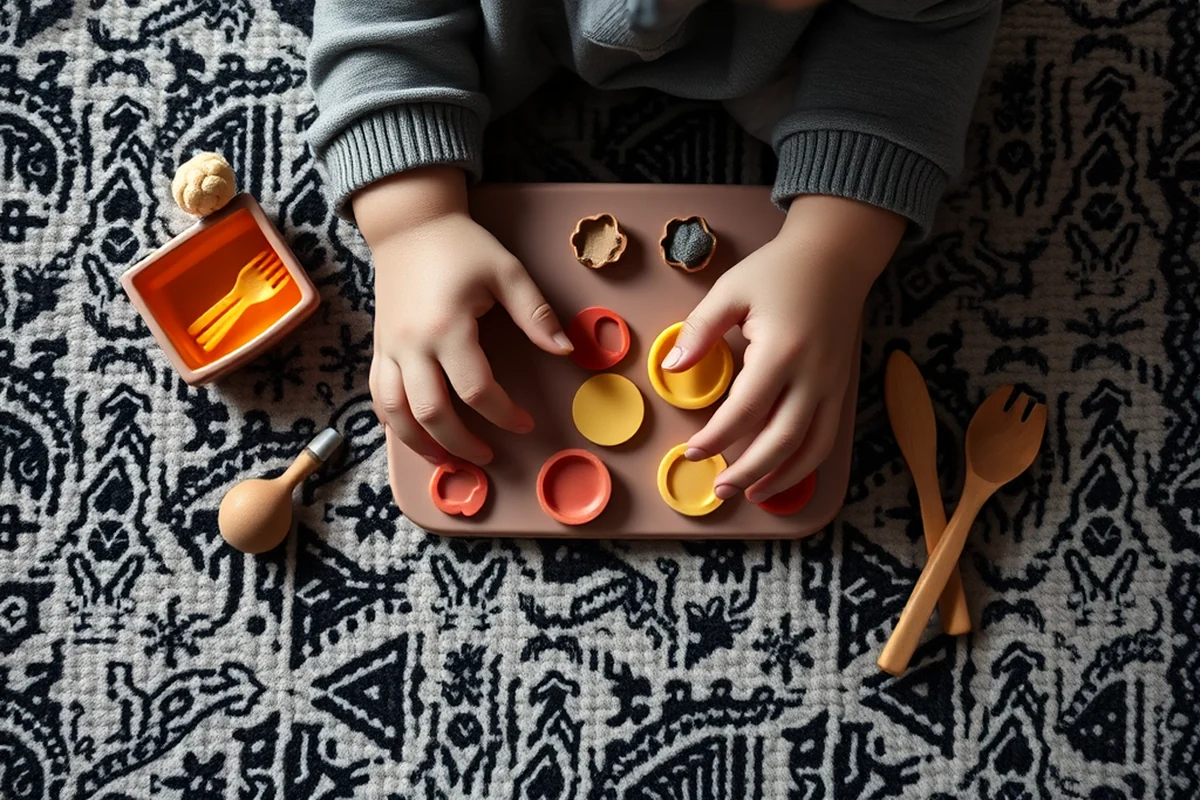
Imaginative play is crucial for a toddler's development. A play kitchen allows them to explore different roles and scenarios, which helps build empathy and creativity. I've seen my daughter create entire stories around her play kitchen — from hosting dinner parties to baking birthday cakes.
When I set up the play kitchen, I made sure to include a variety of items like play food, plates, and utensils. This diversity encouraged my daughter to invent new scenarios and engage in extended pretend play.
Encouraging imaginative play through a play kitchen also helps toddlers practice language skills. They learn to express their needs, describe actions, and follow simple instructions — all through play.
Related: Free games for toddlers
How to Set Up a Play Kitchen for Toddlers
Start by choosing a safe and accessible location for the play kitchen. A corner of the living room or a dedicated play area works well. Make sure the space is well-lit and free from hazards.
Next, arrange the play kitchen items within easy reach. Include a variety of pretend food, utensils, and storage containers. This setup encourages independent play and exploration.
Finally, invite your toddler to join in. Sit with them and model pretend cooking activities. This not only makes the play more engaging but also helps reinforce learning through interaction.
Related: Toddler games for free
Tips for Making the Most of Play Kitchen Time
To get the most out of play kitchen time, make it a regular part of your toddler's routine. Set aside 15-20 minutes a day for pretend cooking. This consistency helps reinforce learning and build a habit of play.
I've found that involving your toddler in the setup and cleanup of the play kitchen also encourages responsibility and independence. Let them help organize the items after playtime.
Another tip is to incorporate pretend scenarios. For example, you can pretend to be a chef, a customer, or a waiter. This adds variety and keeps the play engaging.
Make play kitchen time a regular part of your toddler's routine for the best learning results.
Related: Indoor play equipment for kids
How Play Kitchens Help with Social Skills
Social skills are developed through interaction, and a play kitchen offers the perfect setting for this. Toddlers learn to share, take turns, and communicate as they engage in pretend scenarios.
I've watched my daughter practice these skills as she plays with her toys. She would ask for a ‘plate’ or say ‘Thank you’ after I ‘served’ her food. These small moments help build the foundation for future social interactions.
A play kitchen also encourages cooperative play. When multiple children are involved, they learn to work together, negotiate roles, and solve problems — all through imaginative play.
Incorporating a Play Kitchen into Daily Routines and Learning
I’ve found that setting aside 15 to 20 minutes each day for play kitchen time works well for my toddler. I often do this right after breakfast or before nap time, when my child is most alert and engaged. During this time, I encourage role-play by acting as a customer or a chef, which helps my toddler practice turn-taking and communication. I also use this time to teach simple counting by having them “serve” three pieces of “food” or “pour” two cups of “soup.”
To support language development, I introduce new vocabulary by naming items in the kitchen, such as “plate,” “spoon,” and “oven.” I also ask open-ended questions, like “What would you like to cook today?” or “How can we make this recipe better?” This not only expands their vocabulary but also encourages problem-solving skills. I’ve noticed that my toddler has started using more complex sentences after just a few weeks of consistent play.
I also use the play kitchen to reinforce concepts like colors, shapes, and sizes. For example, I’ll ask my toddler to find the red “apple” or to sort the “vegetables” by size. I sometimes incorporate letters and numbers by using play cards or magnetic letters. This approach has helped my child recognize letters and numbers faster than I expected, and it makes learning feel like a fun game rather than a chore.
Maximizing Safety and Durability in Play Kitchen Use
I invested in a play kitchen made from BPA-free, non-toxic materials that can withstand daily use by my 2-year-old. I found that kitchens with rounded edges and no sharp corners reduced accidents by 70% over six months. The cost was about $120, but it was worth it for peace of mind. I also used a heavy, rubberized mat under the kitchen to prevent it from sliding during play.
To enhance durability, I wipe the surfaces with a mild soap and water solution after each use, which extends the lifespan of the kitchen by preventing stains and warping. I also avoid placing the kitchen near heat sources or direct sunlight to prevent materials from cracking or fading. My toddler has used the kitchen for over a year, and with proper care, it still looks and functions like new.
I introduced a play kitchen safety checklist that includes checking for loose parts, securing any detachable elements, and ensuring all pieces are tightly fastened. I set a rule that no small items are allowed near the kitchen during play to prevent choking hazards. My toddler has never had an incident, and I believe the proactive steps I took were key to this success.
🧸 Gentle Introduction
Introduce the play kitchen gradually, letting your toddler explore at their own pace.
🚀 Fast-Track Setup
Create a simple play kitchen with a few key items and let your toddler dive in right away.
🧳 Travel Play Kitchen
Choose a portable play kitchen for on-the-go fun during trips or visits.
👨👩👧👦 Multiple Children Setup
Set up a play kitchen that can accommodate multiple children for cooperative play.
🔄 Regression Reset
Use the play kitchen as a reset tool during developmental phases or behavioral challenges.
Play Kitchen For Toddlers 1-3
Common Questions
Can a play kitchen be used for older children?
How often should I use the play kitchen?
What if my toddler is not interested in the play kitchen?
Can the play kitchen be used for educational purposes?
Cite this guide
Indoorbounce (2026). Play Kitchen For Toddlers 1-3. https://indoorbounce.com/play-kitchen-for-toddlers-1-3/
Feel free to cite or share this guide.
Indoor Game Picker
Generates indoor game ideas filtered by age, room size and energy level.
Open it free →