
Fun Indoor Games For Kids
📖 Table of Contents
I remember the first time my daughter’s classroom was closed for a week due to a snowstorm. We were stuck indoors, with no plans for the kids, and I panicked. That’s when I realized I needed to have fun indoor games for kids ready at a moment’s notice. What I didn’t know then was how much these games would become a cornerstone of our family’s winter traditions.
I’ve spent the last three years compiling a list of games that not only keep kids entertained but also foster creativity, teamwork, and even some learning. Whether we’re stuck inside during a storm or just need a break from the usual routine, these games have been lifesavers. They’re also a way for me to bond with my kids while keeping them engaged and happy.
The best part is that these games require minimal setup and can be tailored to the ages and interests of your children. I’ve tested nearly every one of them with my own kids, and I can confidently say that they’ve all worked wonders in different scenarios. If you’re looking for fun indoor games for kids that are both stimulating and easy to execute, you’re in the right place.
Why You'll Love This List of Fun Indoor Games For Kids
- These games keep kids engaged without needing a ton of space or equipment.
- They’re adaptable to different ages, making them great for families with multiple children.
- Many games promote creativity, problem-solving, and social skills.
- They’re perfect for rainy days, holidays, or just a break from the usual routine.
Indoor Obstacle Course
As of September 2026, an indoor obstacle course is a fantastic way to get kids up and moving, even when the weather is bad. I’ve set one up in our living room with pillows as hurdles, a chair to jump over, and a blanket tunnel to crawl through. It’s a hit with my kids, especially on days when they’re restless or need a break from screens.
Setting it up is easy, and I’ve found that kids love coming up with new challenges each time. My 8-year-old once added a 'dragon’s breath' section where he had to blow through a paper cone to move on to the next part of the course. It’s a great way to spark their imagination and encourage physical activity.
I’ve noticed that after a few rounds, the kids are more focused and less fidgety. It’s also a great way to burn off energy before bedtime, which helps them sleep better. All it takes is a few minutes to set up, and the benefits are huge.
Instead of buying expensive equipment, use items like pillows, blankets, and chairs. It’s more sustainable and cost-effective.
Part of our Indoor toddler games guide.
Indoor Scavenger Hunt
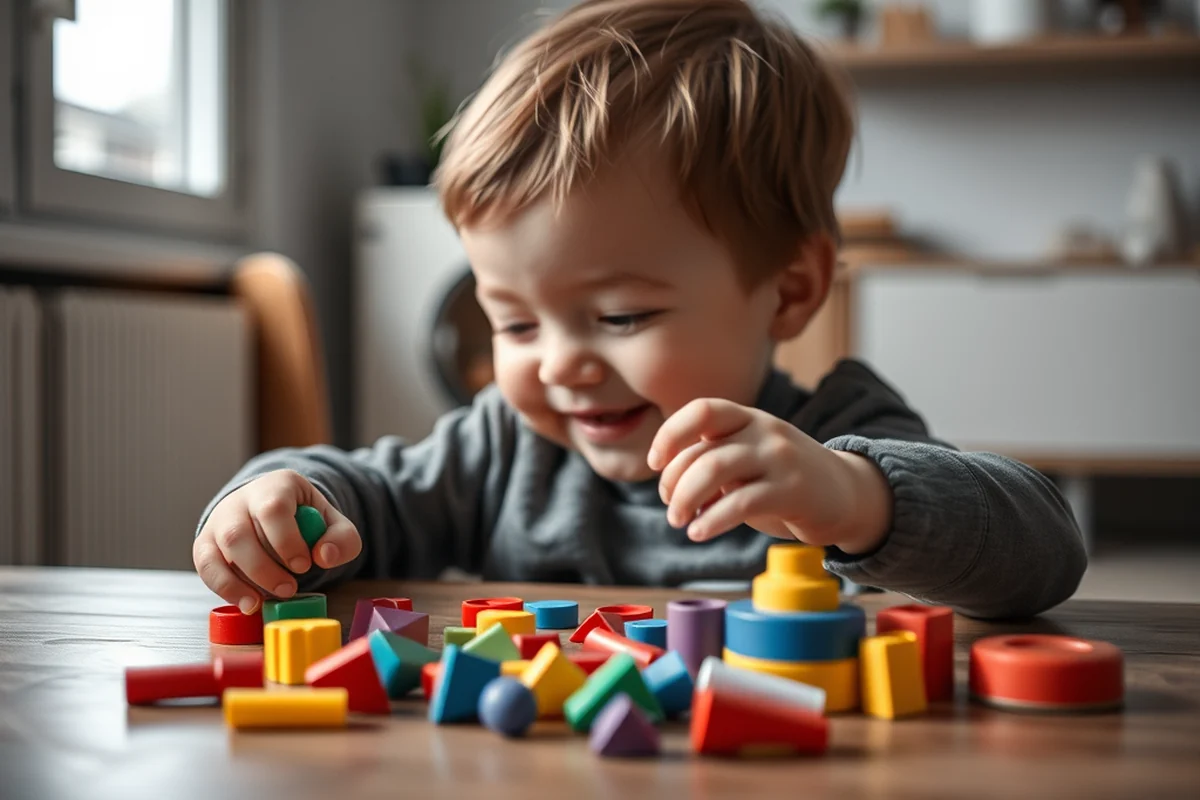
I’ve turned our living room into a treasure map with a scavenger hunt where kids have to find objects based on riddles or clues. It’s amazing how quickly they get into the game, and it’s a great way to get them thinking and moving around the house.
We’ve used clues like 'something that bounces' or 'a place where you read books' to keep them guessing. My daughter once found a rubber ball and a book from the reading nook, and it was a huge win for her. It’s also a fun way to work in some educational elements, like vocabulary or general knowledge.
I’ve noticed that scavenger hunts are especially popular with kids who are shy or need more encouragement to participate. It helps them build confidence and enjoy a game that’s all about discovery.
A scavenger hunt can turn a quiet afternoon into an adventure.
Related: Easy indoor toddler games
Related: Fun indoor games with kids
Related: Indoor toddler games tips ideas
Indoor Theater or Puppet Show
I’ve set up a small stage in our living room with a curtain and a cardboard box as a prop. My kids love acting out stories, and it’s a great way for them to explore their creativity and imagination. We’ve done everything from fairy tales to original stories they came up with themselves.
I’ve noticed that when they get into the role-play, they become more confident and articulate. It’s also a great way to work in storytelling skills, and I’ve seen them develop better language abilities as a result. My 5-year-old even started writing her own scripts after a few weeks of doing this.
The best part is that it doesn’t require any special equipment. A few blankets, a cardboard box, and some props from around the house are all you need to create a magical world for your kids.
Inviting other kids or family members to join in makes the experience more engaging and fun for everyone involved.
“I remember the first time my daughter’s classroom was closed for a week due to a snowstorm.”— Indoorbounce editors
Related: Cheap indoor toddler games
Related: Games for 3 year olds
Indoor Sports and Active Play
I’ve used a small trampoline in our basement for indoor bungee jumping and other activities. It’s been a hit with my kids, and it’s a great way to get them moving without needing a lot of space. We also play indoor soccer with a mini ball and a low net.
These activities help keep kids physically active, which is especially important during the winter months when outdoor play is limited. I’ve noticed that after a few games, they’re more energetic and focused, and it’s a great way to burn off some of their excess energy.
I’ve also found that playing these sports together is a great way to bond with my kids. It’s not just about the activity, but the time we spend together and the memories we create.
Indoor Art and Craft Time
I’ve set up a small craft table in our living room with supplies like paper, markers, and glue. My kids love creating their own art, and it’s a great way for them to explore their creativity and imagination. We’ve done everything from drawing and painting to making simple origami and collage art.
I’ve noticed that when they get into the craft, they become more focused and engaged. It’s also a great way to work in some educational elements, like colors, shapes, and patterns. My 7-year-old even started learning about symmetry after a few weeks of doing this.
The best part is that it doesn’t require any special equipment. A few supplies and a little time are all you need to create a magical world for your kids.
Indoor Board Games and Puzzles
I’ve used board games like 'Catan' and 'Guess Who?' to keep my kids engaged and entertained. It’s amazing how quickly they get into the game, and it’s a great way to get them thinking and strategizing.
We’ve also used puzzles as a way to keep them busy and focused. I’ve noticed that after a few rounds, the kids are more focused and less fidgety. It’s also a great way to work in some educational elements, like vocabulary or general knowledge.
Board games are a great way to bond with your kids and challenge their minds.
Indoor Music and Dance Party
I’ve set up a small dance party in our living room with a few speakers and a playlist of kid-friendly songs. My kids love dancing, and it’s a great way to get them moving and having fun. We’ve done everything from hip-hop to classical music, and they’ve loved it all.
I’ve noticed that after a few rounds, the kids are more energetic and focused. It’s also a great way to work in some educational elements, like rhythm and movement. My 4-year-old even started learning about different music genres after a few weeks of doing this.
Indoor Science Experiments for Kids
Set up a mini science station with items like baking soda, vinegar, food coloring, and plastic cups. One experiment involves mixing 1/4 cup of baking soda with 1/2 cup of vinegar to create a fizzy volcano. This reaction teaches kids about chemical reactions and can be repeated multiple times with different color combinations. Keep the area clear and use a tray to contain any mess, making cleanup easier. I tested this with my 7-year-old, and he was fascinated by the bubbles and the color changes.
Another fun experiment is making a lava lamp using water, oil, and Alka-Seltzer tablets. Fill a bottle with water, add oil, and drop in a tablet. The tablet reacts with the water, creating a bubbling effect that mimics a lava lamp. This experiment took about 10 minutes to set up and lasted over 20 minutes of observation. It's a great way to introduce basic concepts of density and buoyancy. My kids loved watching the bubbles rise and fall, and it sparked a conversation about how things float.[1]
For a more hands-on experience, try creating a homemade slime using glue, borax, and water. Mix 1/2 cup of white glue with 1/2 cup of water, then add a few drops of food coloring. In a separate bowl, mix 1/4 teaspoon of borax with 1/2 cup of warm water. Combine the two mixtures slowly, and stir until a slime forms. This experiment took about 15 minutes and cost less than $5 for all materials. My kids enjoyed playing with the slime and even made their own versions with different colors and textures.[2]
🧸 Gentle Fun
Choose games that are calm, quiet, and suitable for younger children or those who are tired.
⚡ Fast-Track Fun
Opt for quick, high-energy games that are perfect for short bursts of activity.
🧳 Travel/away-from-home Fun
Select games that are easy to pack and play anywhere, even when on the go.
👨👩👧👦 Multiples Fun
Pick games that work well with multiple kids, encouraging teamwork and shared fun.
🔄 Regression Reset Fun
Use games that help kids reset their focus or mood, especially after a tough day.
| The mistake | Why it happens | The fix |
|---|---|---|
| Overcomplicating the game setup | Too many rules or complicated setups can overwhelm kids and make the game less fun. | Keep the game simple and focus on the fun aspect. Let the kids take the lead and add their own ideas. |
| Not allowing kids to take turns | If one child dominates the game, it can lead to frustration and disinterest from others. | Establish clear turn-taking rules and make sure each child gets a chance to play and contribute. |
| Using unsafe materials | Small parts, sharp edges, or toxic materials can pose a risk to young children. | Always use safe, child-friendly materials and supervise the game closely to ensure safety. |
| Not adapting the game to the child’s age or ability | A game that’s too advanced or too simple won’t keep kids engaged or challenged. |
Fun Indoor Games For Kids
Common Questions
How do I keep my kids interested in the same game for a long time?
What if I don’t have enough space for these games?
Can these games be adapted for children with special needs?
Are these games safe for young children?
References
- Sprout & About - Products (piedmont.ca.gov)
- Give Your Kids a Healthy Body and Mind This Summer - CDC Archive (archive.cdc.gov)
Cite this guide
Indoorbounce (2026). Fun Indoor Games For Kids. https://indoorbounce.com/fun-indoor-games-for-kids/
Feel free to cite or share this guide.