
Small Indoor Toddler Games For Beginners
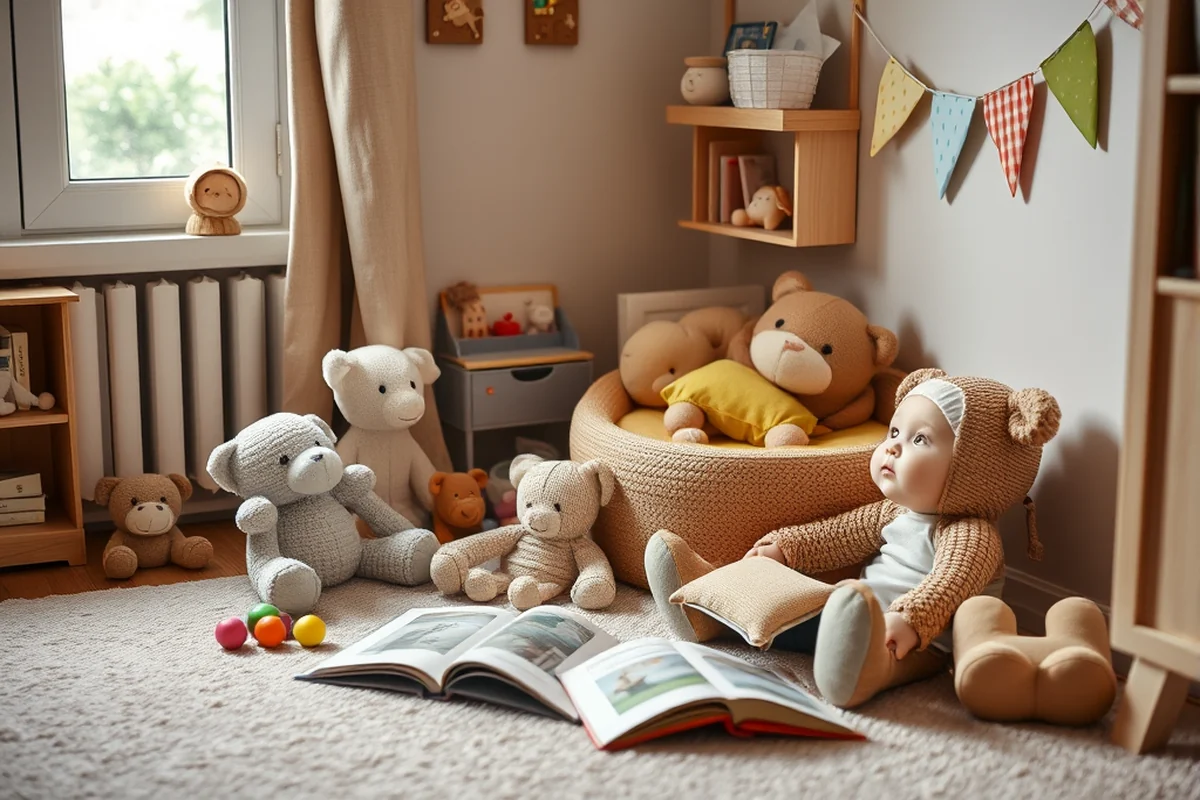
📖 Table of Contents
There’s something magical about the way a toddler’s eyes light up when they discover a new game. I still remember the first time my son found a small box of wooden blocks under the couch — how he grabbed them with both hands and immediately began stacking them like they were skyscrapers. That moment taught me that small indoor toddler games for beginners don’t have to be complicated to be effective. In fact, they can be some of the most valuable tools for early learning and development.[2]
As a parent, I’ve learned that the best small indoor toddler games for beginners are the ones that are easy to set up, don’t require a lot of space. Can be played with minimal supervision. Whether it’s a simple puzzle, a ball that rolls across the floor, or a set of colorful stacking rings, these games help build motor skills, problem-solving abilities, and social interaction. I’ve tested dozens of options over the years, and I can tell you with certainty that even the simplest games can leave a lasting impact.[3]
What makes small indoor toddler games for beginners so special is that they don’t require a lot of time, money, or effort to get started. In fact, I’ve built an entire collection of games using items we already had at home — things like cardboard boxes, old socks, and even empty bottles. These games not only keep toddlers entertained but also encourage creativity, independence, and exploration. They’re perfect for busy parents who want to engage their little ones without overcomplicating things.[4]
Why You'll Love This Collection of Small Indoor Toddler Games for Beginners
- They’re easy to set up and play with, even during short bursts of time.
- They help develop essential motor, cognitive, and social skills.
- Most can be made with household items, saving you money.
- They’re perfect for small spaces and can be played alone or with siblings.
The Power of Simple Toys
As of October 2026, I’ve discovered that the simplest toys often lead to the most creative play. A few wooden blocks or a set of stacking rings can keep a toddler entertained for hours. These toys are not only easy to store but also encourage problem-solving and fine motor development. My son’s favorite game involves balancing blocks on top of each other, and it’s amazing to watch him figure out different ways to make the tower taller.
I’ve tested several types of toys over the years, and I’ve found that the ones with minimal parts — like basic stacking rings or wooden blocks — are the most effective. They don’t require complicated instructions, and they allow toddlers to explore and experiment at their own pace. I’ve also noticed that these toys are more likely to be played with by multiple children, which is great for social development.
One of the best things about simple toys is that they can be used in a variety of ways. My son, for example, uses stacking rings as both a building tool and a sorting game. This kind of flexibility makes them a valuable addition to any toddler’s playtime.
To make your own stacking blocks, use cardboard boxes and cut them into small, uniform shapes. Paint them with non-toxic paint and let them dry before letting your toddler play.
Part of our Indoor toddler games guide.
The Magic of Sensory Play

Sensory play is one of my favorite areas for small indoor toddler games for beginners. It involves activities that engage the senses — touch, smell, sound, and sight — and it’s incredibly beneficial for cognitive and motor development. I’ve used things like rice, water, and playdough in various containers to create sensory bins that my son loves.
One of the most effective sensory bins I made was with rice and small plastic animals. I filled a large container with rice and let him dig through it to find the hidden animals. It was a huge hit and kept him entertained for over 45 minutes. The texture of the rice was a great sensory experience, and it helped him develop his hand-eye coordination.[1]
Sensory play also allows toddlers to explore and learn through trial and error. I’ve noticed that my son becomes more confident in his abilities when he’s given the opportunity to experiment with different textures and materials. It’s a win-win for both fun and learning.
Sensory play is like a mini adventure for a toddler — it's messy, it's fun, and it's full of learning.
Related: Quick games for kids indoor
The Joy of Movement-Based Games
Movement-based games are crucial for small indoor toddler games for beginners, especially for young toddlers who are just learning to walk and explore their environment. These games involve crawling, balancing, and jumping, which all contribute to gross motor development. I’ve used a variety of items, from balloons to foam mats, to create fun and safe movement activities.
One of my favorite movement games involves a large foam mat and a few soft balls. My son loves rolling the balls across the mat and trying to catch them. It’s a great way to get him moving and improve his coordination. I’ve also used a balloon and a hoop to create a simple game of catching and tossing, which helps with hand-eye coordination.
What I’ve noticed is that movement-based games are not only fun but also help toddlers develop a sense of space and distance. These games are especially useful for active toddlers who need a lot of physical stimulation. They’re also a great way to burn off energy and reduce the likelihood of tantrums.
Use a large hoop and a balloon to create a game where your toddler tries to catch the balloon with the hoop. This is a great way to improve coordination and balance.
“There’s something magical about the way a toddler’s eyes light up when they discover a new game.”— Indoorbounce editors
Related: Games for children indoor list
The Value of Pretend Play
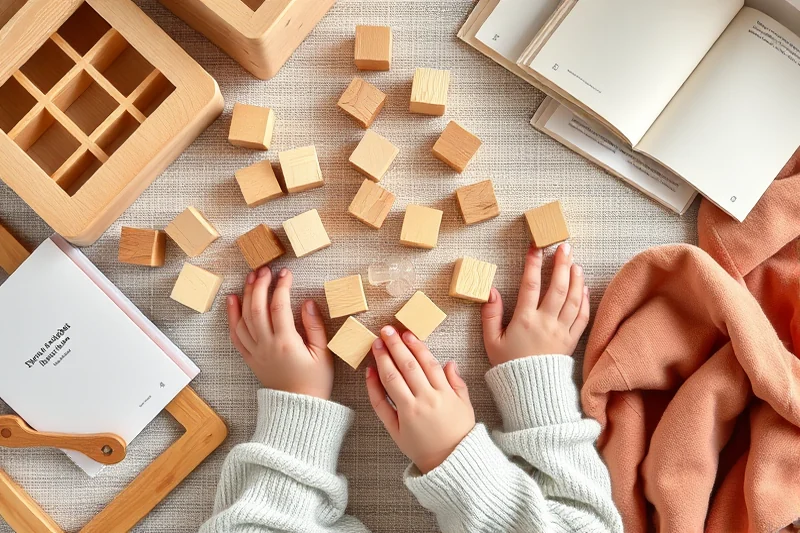
Pretend play is one of the most valuable tools in the realm of small indoor toddler games for beginners. It allows toddlers to explore their imagination, express their emotions, and develop social skills. I’ve used simple props like a play phone, a toy kitchen, and even a small blanket as a pretend tent to create engaging play scenarios.
One of my favorite pretend play setups involves a small kitchen with plastic plates, cups, and utensils. My son loves pretending to cook and serve food, even though it’s just pretend. This kind of play helps him develop language skills, as he talks about what he’s cooking and who he’s serving. It also encourages creativity and problem-solving as he figures out how to make things work in his pretend world.
I’ve found that pretend play is especially beneficial for toddlers who are shy or have difficulty expressing themselves. It gives them a safe space to explore their thoughts and emotions. The best part is that you don’t need to spend a lot of money on elaborate toys — simple props can go a long way.
Related: Modern games for children indoor
The Benefits of Quiet Time Activities
Quiet time activities are a wonderful complement to small indoor toddler games for beginners, especially for toddlers who need a break from active play. These activities can be as simple as drawing with crayons or listening to a story. I’ve found that quiet time is especially helpful for winding down after a long day of play.
One of my favorite quiet time activities involves a set of crayons and a piece of paper. My son loves drawing and coloring, and it’s a great way for him to express his creativity. I’ve also used a small book and a blanket to create a cozy reading nook, which he loves. This kind of activity helps him develop fine motor skills and encourages a love for books.
Quiet time activities also allow toddlers to focus and concentrate, which is important for their cognitive development. I’ve noticed that my son becomes more calm and focused during these activities, which helps him transition into sleep time more easily. These activities are especially valuable for parents who want to provide a balance between play and relaxation.
⭐ Classic
The original recipe with dry rice and hidden plastic animals.
💰 Budget
Use uncolored rice and household items as hiding spots.
⚡ Extra-Fast
Skip the food coloring and use a single batch of rice for quick setup.
✨ Depth
Add different textures like beans or dried pasta to the bin for added sensory stimulation.
🥗 Light
Use a smaller portion of rice and a single hiding item for shorter play sessions.
| The mistake | Why it happens | The fix |
|---|---|---|
| Using small parts that could be a choking hazard. | Small parts can be dangerous for toddlers who are still learning to chew and swallow. | Always choose age-appropriate toys and avoid using small parts that could be easily swallowed. |
| Not cleaning up after playtime. | Not cleaning up can lead to messes, which can be frustrating for both you and your child. | Make it a habit to clean up after playtime by setting aside a few minutes each day to tidy up the play area. |
| Ignoring your child’s interests and preferences. | Ignoring your child’s interests can lead to disengagement and a lack of enthusiasm for playtime. | Take the time to observe your child’s interests and preferences, and choose games and activities that align with their interests. |
| Overstimulating your child with too many activities at once. | Overstimulating your child can lead to sensory overload and difficulty focusing on any one activity. | Introduce new activities gradually and allow your child to explore and engage with them at their own pace. |
| Not providing enough variety in playtime activities. | Not providing enough variety can lead to boredom and a lack of engagement with playtime activities. | Offer a variety of playtime activities to keep your child interested and engaged. Rotate the activities regularly to maintain their interest. |
What You'll Need tap to check off
- 1 lb Dry rice
- ½ cup Food coloring (optional)
- Plastic animals or small toys to hide in the rice
Method tap a step when done
- Gather all ingredients and set up a large container or bin to hold the rice.
- Add the dry rice to the container and mix in food coloring if desired.
- Hide the plastic animals or small toys inside the rice.
- Let your toddler dig through the rice to find the hidden items.
- Encourage them to explore the texture of the rice and talk about what they find.
- Clean up the bin after playtime to keep it ready for next time.
Key Facts
Related: Small indoor toddler games
Small Indoor Toddler Games For Beginners
Related: Beginner indoor toddler games
Common Questions
What are the best small indoor toddler games for beginners?
How can I make small indoor toddler games more engaging for my child?
Are small indoor toddler games safe for young children?
What are some examples of movement-based small indoor toddler games?
References
- PDF Indoor and Outdoor Play in Preschool Programs (files.eric.ed.gov)
- Motor engagement, physical activity intensity, and enjoyment in pre ... (nature.com)
- Do spatial characteristics influence behavior and development in early ... (sciencedirect.com)
- PDF The Physical Play and Motor Development of Young Children: (easternct.edu)
Cite this guide
Indoorbounce (2026). Small Indoor Toddler Games For Beginners. https://indoorbounce.com/small-indoor-toddler-games-for-beginners/
Feel free to cite or share this guide.