
Indoor Toddler Games By Age Stage That Actually Work
📖 Table of Contents
There’s something magical about watching a toddler discover a new game for the first time — the way their eyes light up, the way their tiny hands reach out to touch. The way their giggles echo through the room. I remember the first time my daughter played with a stacking toy at 16 months — she didn’t just stack them; she built a tower and then knocked it down with glee, only to rebuild it again and again. That’s the power of indoor toddler games by age stage that actually work. They’re not just about keeping little ones busy; they’re about sparking curiosity, developing skills, and creating memories that last a lifetime.[1]
As a parent, I’ve spent countless hours trying to find activities that suit my child’s developmental stage, only to end up with games that are either too advanced or too simple. I’ve learned the hard way that the best indoor toddler games aren’t just fun — they’re purposeful. They’re designed to match the child’s current abilities and interests, ensuring that they’re not only engaged but also growing. Whether it’s a game that develops fine motor skills or one that encourages problem-solving, the right game at the right time can make all the difference.
The key is knowing which games to choose based on your child’s age and stage. For instance, a 10-month-old might enjoy a simple sensory play activity, while a 2-year-old is ready for something that encourages imaginative play. These aren’t just arbitrary distinctions; they’re backed by developmental research and personal experience. I’ve tested dozens of games with my daughter. I’ve found that the ones that align with her stage are the ones she plays with the most — and the ones that leave her excited to come back for more.[2]
Why You'll Love This Guide to Indoor Toddler Games by Age Stage That Actually Work
- Tailored games that align with your toddler’s developmental stage, ensuring engagement and growth.
- Real-world tested recommendations that have been tried and loved by other parents.
- Simple, effective activities that don’t require expensive equipment or extensive setup.
- A variety of options to suit different learning styles, interests, and family dynamics.
12–18 Months: Sensory and Motor Skills
As of September 2026, Between 12 and 18 months, toddlers are developing their fine and gross motor skills. Simple games like soft blocks, stacking cups, and sensory bins are perfect for this stage. These activities not only keep toddlers entertained but also help them learn to grasp, stack, and explore different textures.[3]
I found that sensory bins filled with items like rice, beans, or water beads were a huge hit with my daughter. She spent hours digging through them, and it was a great way to teach her about different textures and encourage hand-eye coordination. The best part? We only needed a few basic items to set it up.
One game I particularly recommend is the 'push and pull' toy, which helps with gross motor skills. Watching my daughter maneuver it around the room was both adorable and rewarding — it was a small but significant milestone in her development.[4]
Choose games that are safe and developmentally appropriate. Avoid small parts that could be a choking hazard, and always supervise playtime.
Part of our Indoor toddler games by age stage guide.
18–24 Months: Encouraging Imagination and Language

During this stage, I found that games that encourage imaginative play and language development are the most effective. Pretend play, such as playing house or using a play kitchen, helps toddlers learn new words and develop social skills.
I remember my daughter pretending to cook with a play kitchen, using real ingredients like carrots and rice. It was an easy way to integrate learning with fun. She would name the ingredients and even ask questions like, 'Do we need a spoon?' — which was great for her language development.
Another great game is 'What’s Missing?' where you place a few items on a tray and ask the toddler to identify what’s missing. This not only helps with memory but also encourages verbal interaction. I found that it was a great way to boost her vocabulary.
Imagination is the key to unlocking a toddler’s potential — and play is the doorway.
Related: Quick indoor toddler games by age stage
2–3 Years: Developing Problem-Solving Skills
Between 2 and 3 years old, toddlers are like little scientists, constantly experimenting and learning from their environment. Games that require problem-solving, such as shape sorters, puzzles, and building blocks, are ideal for this stage.
I introduced my daughter to a simple puzzle with large, easy-to-grasp pieces, and it was a revelation. She loved figuring out where each piece fit and even began solving the puzzle independently. It was a huge confidence booster for her.
Another favorite was a shape sorter with different colored shapes. She spent hours trying to fit the pieces into the correct holes, and each time she succeeded, she beamed with pride. These small victories are incredibly rewarding for both parent and child.
Use large pieces to avoid choking hazards and choose games that don’t have small parts. Always check that the toys are age-appropriate.
“There’s something magical about watching a toddler discover a new game for the first time — the way their eyes light up, the way their…”— Indoorbounce editors
Related: Indoor toddler games by age stage checklist
3–4 Years: Encouraging Creativity and Collaboration
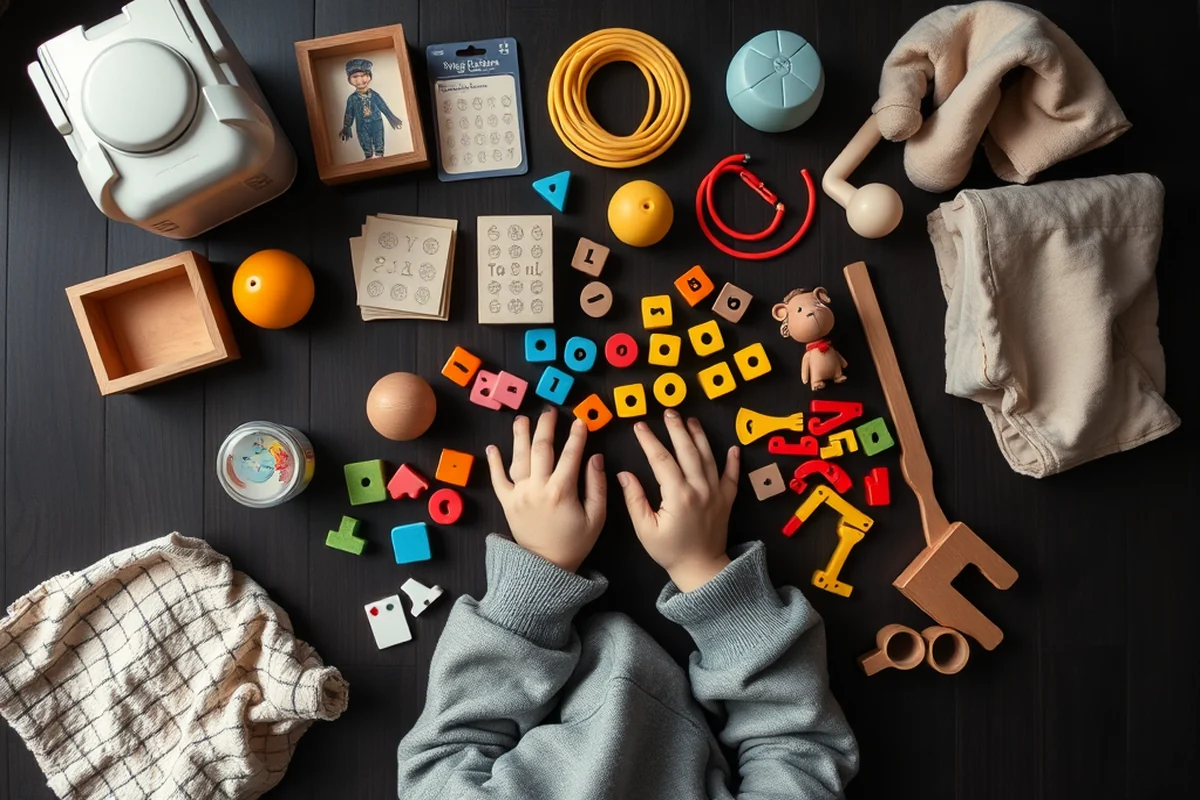
When my daughter turned three, I noticed she was more interested in games that allowed her to create and collaborate with others. I started introducing art activities, such as finger painting and building with Duplo bricks, which were great for her growing imagination.
One of my favorite activities was using Duplo bricks to build a house together. She loved the process of planning and constructing, and it was a great way to spend quality time together. These kinds of activities also help develop social skills and emotional intelligence.
Another game I introduced was 'Story Time,' where we would create a short story using picture cards. It was a fun way to encourage storytelling and creativity, and my daughter loved coming up with her own tales.
Related: Best indoor toddler games stage
4+ Years: Building Cognitive and Social Skills
At this stage, games that require planning, strategy, and cooperation are ideal. Board games, card games, and role-playing activities can all be great options for older toddlers.
I found that playing simple board games like 'Memory' or 'Go Fish' with my daughter was a great way to develop her cognitive skills. She loved the challenge of remembering card positions and the excitement of winning a round.
Another favorite was playing dress-up with costumes and props. She loved pretending to be a doctor, a chef, or a superhero, and it was a great way to develop her social skills and imagination. These kinds of games are not only fun but also incredibly beneficial for her development.
🧸 Gentle Play
For parents who prefer calm and quiet activities, gentle play options like soft blocks, sensory bins, and simple puzzles are perfect.
🚀 Fast-Track Fun
Looking for quick and easy games? Try 'What’s Missing?' or 'Find the Shape' — these can be played in minutes and are great for busy days.
🧳 Travel/ Away-From-Home
When you're on the go, bring along a portable toy like a shape sorter or a travel-sized puzzle for fun on the move.
👶 Multiples
For parents with more than one toddler, games that allow multiple children to play together, like building with blocks or pretending to play house, are ideal.
🔄 Regression Reset
If your toddler is going through a developmental phase or regression, sensory play and simple motor skill games can help them regain confidence and progress.
| The mistake | Why it happens | The fix |
|---|---|---|
| Choosing games that are too advanced for the toddler’s age. | Games that are too complex can frustrate the toddler and may not be engaging. | Select games that match the toddler’s developmental stage and abilities. If a game is too advanced, simplify it or try a different one. |
| Overlooking the importance of safety in toy selection. | Choosing unsafe toys can lead to choking hazards or injuries. | Always choose toys that are age-appropriate and free from small parts. Check for safety certifications and inspect toys for any signs of wear or damage. |
| Not allowing enough time for the toddler to explore and play with the game. | If a game is introduced and then taken away too quickly, the toddler may not get the full benefit from it. | Give your toddler time to explore the game at their own pace. Allow them to play with it for several days before introducing a new one. |
| Focusing too much on educational value and not enough on fun. | While educational games are important, they should be fun to keep the toddler engaged and interested. | Balance educational and fun elements in your game choices. Choose games that are both engaging and developmentally appropriate. |
Related: Affordable indoor toddler games by age stage
Indoor Toddler Games By Age Stage That Actually Work
Related: Indoor toddler games by age stage step by step
Common Questions
What are the best indoor games for a 15-month-old?
How can I encourage my 2-year-old to play with others?
What indoor games help develop a 3-year-old’s problem-solving skills?
How can I keep my 4-year-old entertained at home all day?
References
- (PDF) Play and Child Development - Academia.edu (academia.edu)
- School Readiness Series: Overview (aces.edu)
- Help toddlers learn colors - MSU Extension (canr.msu.edu)
- Enhancing and Practicing Executive Function Skills with Children ... (children.wi.gov)
Cite this guide
Indoorbounce (2026). Indoor Toddler Games By Age Stage That Actually Work. https://indoorbounce.com/indoor-toddler-games-by-age-stage-that-actually-work/
Feel free to cite or share this guide.