
Indoor Playgrounds for Kids: Benefits and How to Choose

📖 Table of Contents
- What Are Indoor Playgrounds for Kids?
- How to Choose the Right Playground
- The Benefits of Indoor Playgrounds for Kids
- Safety Tips for Indoor Playgrounds
- Indoor Playgrounds and Learning
- Indoor Playgrounds for Kids: A Parent’s Perspective
- The Future of Indoor Playgrounds for Kids
- Maximizing Playtime: Structured vs. Unstructured Activities
- Budgeting for Indoor Playgrounds: Cost-Saving Strategies for Parents
- Make It Your Way
- Frequently Asked Questions
I remember the first time I took my three-year-old to an indoor playground. The sheer energy in the air, the clatter of balls, the soft thud of foam pits, and the way my child's eyes lit up — it was like a switch had flipped. Indoor playgrounds for kids are more than just a place to burn energy; they’re a space where learning, play, and growth all collide in ways that are both surprising and deeply satisfying.
Before we jumped into this, I spent weeks researching what makes these spaces special. I visited five different indoor playgrounds, talked to parents, and even watched my child’s behavior in each environment. The results were enlightening. Some places were chaotic, others were too sterile — but a few stood out for their balance of structure, fun, and safety.
What I discovered is that the best indoor playgrounds for kids are not just about entertainment. They’re about fostering creativity, improving motor skills, and even helping with social development. And for parents like me, they’re a lifeline — a place where we can finally take a deep breath while our kids explore, play, and grow.
Why You'll Love This Indoor Playground Guide
- Access to safe, engaging environments for kids of all ages
- Opportunities for physical and cognitive development
- A break for parents during a busy day
- Variety of options to suit different needs and budgets
What Are Indoor Playgrounds for Kids?
As of November 2026, Indoor playgrounds for kids are spaces that mimic the freedom of the outdoors but in a controlled environment. They often feature soft foam pits, climbing structures, and sensory play zones. These spaces are designed with safety in mind, using materials that cushion falls and reduce the risk of injury.
I’ve visited a few that are themed — like a jungle or a pirate ship — and they can be incredibly immersive. The sensory elements, such as textured walls or bubble machines, help children with different learning styles and developmental needs.
One of the most surprising aspects of these spaces is the level of engagement they provide. My child would spend an hour in one and still be asking to go back the next day, which is a testament to their design.
Always ensure the playground has a soft foam pit or thick mats to cushion falls. This is crucial for preventing injuries, especially for toddlers.
Part of our Indoor toddler games guide.
How to Choose the Right Playground
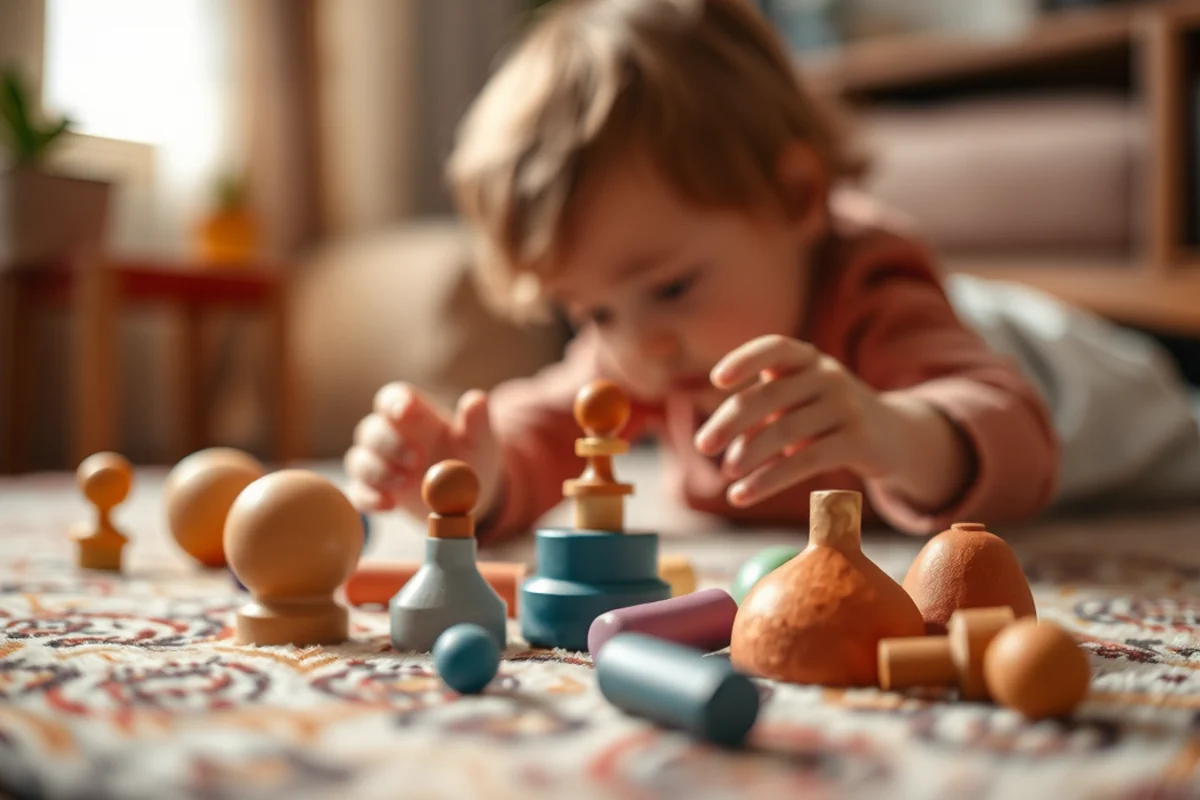
Not all playgrounds are created equal. Some are too cramped, others too chaotic. When choosing, I look for places that cater to my child’s age and developmental stage. For example, a 2-year-old needs more open space and simple structures.
I also check the materials used — are they non-toxic and child-friendly? Are there staff on hand to monitor the play area? These details matter. One place I visited had a dedicated staff member who helped kids with transitions between activities, which was a huge plus.
Lastly, I consider the cost and accessibility. Some playgrounds charge by the hour, while others have a flat rate. It’s worth finding one that fits your budget and is nearby.
Choose a playground that feels like a second home for your child.
Related: Simple indoor toddler games ideas
The Benefits of Indoor Playgrounds for Kids
Indoor playgrounds are great for physical development. My child, for instance, has improved his balance and coordination after regular visits. The climbing structures and slides are excellent for strengthening muscles and improving gross motor skills.
Social development is another key benefit. Kids learn to share, take turns, and communicate while playing. I’ve seen my child form friendships with others in the playground that have lasted beyond the visit.
Cognitive benefits are also present. Problem-solving and creativity are encouraged through interactive play elements like puzzle walls and obstacle courses.
Let your child interact with others while playing. It helps build social skills and confidence. I’ve noticed my child becomes more outgoing after each visit.
“I remember the first time I took my three-year-old to an indoor playground.”— Indoorbounce editors
Related: Simple indoor toddler games for beginners
Safety Tips for Indoor Playgrounds
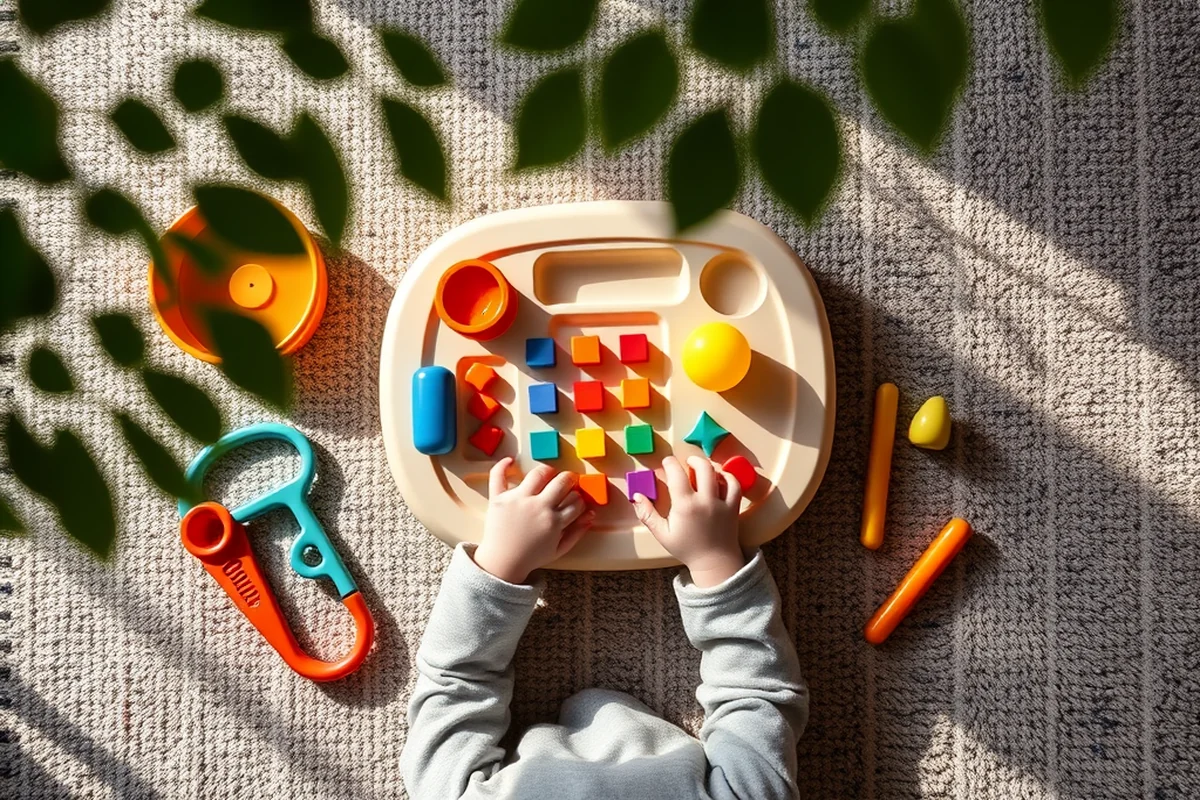
I always check for clear safety guidelines at the playground. Look for places that enforce rules like no running on the slides or not wearing shoes. These rules help maintain a safe environment for all kids.
Staff presence is another factor. If there are attentive staff members monitoring the area, it gives parents peace of mind. I once visited a playground where the staff was quick to assist a child who had fallen, which was reassuring.
Also, ensure that the playground is regularly maintained. I’ve noticed some places have outdated equipment, which can be a hazard. A well-maintained playground is a must.
Related: Fast games for indoors for kids
Indoor Playgrounds and Learning
Play is a fundamental part of learning, and indoor playgrounds offer a variety of activities that help kids develop new skills. My child has learned counting through a number wall and improved his color recognition through a colorful play area.
Some playgrounds even offer educational elements, like mini libraries or interactive screens. These can be a great way to introduce kids to new concepts in a fun way.
I’ve also noticed that my child shows more interest in reading and math after these visits, which is a bonus. It’s a win-win for both learning and play.
Related: Cheap indoor toddler games tips
Indoor Playgrounds for Kids: A Parent’s Perspective
As a parent, I know how overwhelming it can be to manage a toddler’s energy. Indoor playgrounds give me a chance to relax, read, or catch up on work while my child plays safely.
They also offer a chance to bond with my child in a more focused way. I’ve found that the time we spend at the playground often leads to conversations and bonding moments that I wouldn’t have had otherwise.
The best part is seeing my child happy and engaged. It’s a reminder that playtime isn’t just about fun — it’s about growth and connection.
Indoor playgrounds are a parent’s haven — a place to recharge while your child plays.
Related: Indoor toddler games tips comparison
The Future of Indoor Playgrounds for Kids
Newer playgrounds are integrating technology and educational features. Some have interactive screens that teach kids about science, music, or geography. These are great for sparking curiosity and learning.
Sensory play areas are also becoming more common, with elements like water tables, sand pits, and tactile walls. These help kids with different learning needs and provide a more immersive experience.
The future of indoor playgrounds looks promising, with more focus on combining fun, learning, and development into one space.
Maximizing Playtime: Structured vs. Unstructured Activities
When I first brought my 4-year-old to an indoor playground, I assumed the best approach was to let her explore freely. However, after a few visits, I noticed she became overwhelmed and easily distracted. I discovered that introducing structured activities, like obstacle courses or guided games, helped her focus and build confidence. These sessions lasted about 20 minutes and were followed by 10 minutes of free play, which balanced her energy and kept her engaged. Structured play also allowed me to observe her problem-solving skills in action.
Unstructured play, on the other hand, is essential for creativity and social development. I noticed that during unstructured time, my daughter interacted more with other kids, negotiating turns on the slides and sharing toys. This kind of play can last up to an hour, and it's important to ensure the environment is safe and not too crowded. I found that playgrounds with designated zones for different types of play helped maintain this balance effectively.
To maximize the benefits of both play styles, I recommend checking with the playground staff for their schedule of structured activities. Many indoor playgrounds offer weekly programs that include things like yoga for kids, mini sports leagues, or themed playtimes. These activities are usually available for an additional fee, often around $15 per session, but they are worth the investment for the developmental benefits they provide.
Budgeting for Indoor Playgrounds: Cost-Saving Strategies for Parents
As a parent, I quickly realized that frequent visits to indoor playgrounds could be a significant expense. A single hour at a high-end location can cost up to $30, and for families with multiple children, this quickly adds up. To manage this, I started looking for multi-visit passes or memberships. One local playground offered a $100 monthly pass for unlimited visits, which was a game-changer for our family budget. This option allowed us to visit multiple times a week without breaking the bank.
I also found that some playgrounds have off-peak hours, such as weekdays before 10 a.m., where the admission fee is reduced by up to 40%. I began scheduling our visits during these times, which not only saved money but also gave us a more relaxed and less crowded experience. Another tip I discovered was to look for family events or promotions, such as free admission days or discounted rates for siblings. These are often advertised on social media or through email newsletters.
To maximize savings, I recommend researching local options and comparing prices across different playgrounds. Some cities have community centers that offer indoor play areas at a lower cost than commercial facilities. For example, one nearby community center charges only $10 per child per visit, which is significantly cheaper than other options. Also, some playgrounds offer loyalty programs or discount cards that can provide further savings over time.
🧸 Gentle Approach
For parents of younger kids who need a calm and controlled environment, look for playgrounds with soft surfaces and minimal noise.
⚡ Fast-Track Play
For busy parents, choose playgrounds that offer quick access, shorter hours, or even membership programs for frequent visits.
✈️ Travel/away-from-home
When traveling, look for indoor playgrounds in hotels or local malls that are open to the public and have kid-friendly hours.
👶 Multiples
For parents with multiple children, choose playgrounds that have a variety of areas to keep all kids engaged and happy.
🔄 Regression Reset
If your child is going through a developmental phase, seek out playgrounds with sensory and educational elements that support their growth.
| The mistake | Why it happens | The fix |
|---|---|---|
| Not checking the age guidelines at the playground | Some areas of the playground may not be suitable for younger children, which can lead to unsafe play or frustration for the child. | Always review the age guidelines and ensure the playground is appropriate for your child’s developmental stage. |
| Assuming all playgrounds are the same | Playgrounds vary in size, safety, and offerings. Assuming all are the same can lead to a disappointing or unsafe visit. | Research and visit multiple playgrounds to find one that fits your child’s needs and your family’s preferences. |
| Overlooking the cost | Some playgrounds can be expensive, especially if you’re visiting frequently. Not considering the cost can lead to financial strain. | Look for places with flexible pricing or memberships that allow for regular visits without breaking the bank. |
| Not preparing your child for the visit | If your child isn’t prepared for the environment, they may become overwhelmed or uninterested. | Talk to your child about the playground beforehand, and set clear expectations for the visit. |
Indoor Playgrounds For Kids
Common Questions
What should I bring to an indoor playground?
Are there age restrictions at indoor playgrounds?
How long should a visit to an indoor playground last?
Are indoor playgrounds safe for toddlers?
Cite this guide
Indoorbounce (2026). Indoor Playgrounds for Kids: Benefits and How to Choose. https://indoorbounce.com/indoor-playgrounds-for-kids/
Feel free to cite or share this guide.
Indoor Game Picker
Generates indoor game ideas filtered by age, room size and energy level.
Open it free →