
Indoor Toddler Games Printables Step By Step
📖 Table of Contents
I remember the first time I had to keep my toddler entertained during a snowstorm. The house was quiet, the windows were iced over, and the only thing I had was a stack of paper and a few crayons. That day, I realized that indoor toddler games printables could be more than just a distraction — they could be a lifeline. I started collecting and creating my own printables, and now I can't imagine being without them. Whether it's a rainy afternoon or an unexpected day off, these printables have become my go-to solution for keeping little ones happy and engaged.
Indoor toddler games printables step by step are not just about filling time; they're about sparking creativity, building fine motor skills, and fostering a love of learning. I've tested dozens of printables over the years, from simple dot-to-dot puzzles to complex matching games. I've found that the best ones are the ones that are easy to print, easy to assemble, and easy to clean up. They're also the ones that my toddler can do independently — or with a little help — and that make me feel like I'm actually contributing to their development rather than just trying to survive the day.[1]
What makes these printables so valuable is that they're accessible, adaptable, and affordable. I can print them on recycled paper, use them with crayons, markers, or even as a base for sensory play. I’ve even turned them into a small business, selling my own printables online, and the feedback I’ve received has been overwhelmingly positive. My own toddler has grown so much through these activities — from learning colors and shapes to improving hand-eye coordination. These printables are more than just a way to keep kids busy; they're a tool for growth, learning, and connection.
Why You'll Love This Indoor Toddler Games Printables Step By Step Guide
- They're easy to print and require no special materials — just a printer and paper.
- They help toddlers develop important skills like counting, matching, and fine motor control.
- They can be customized to fit your toddler’s interests and learning level.
- They’re a great way to spend quality time together without leaving the house.
What Are Indoor Toddler Games Printables?
As of October 2026, Indoor toddler games printables are like puzzle pieces for your child’s brain. I’ve used them to teach letters, numbers, shapes. Even basic concepts like 'more' and 'less.' They are designed with bright colors, simple shapes, and repetitive patterns that capture a toddler's attention and keep them engaged for longer periods of time.
I’ve found that the best printables are those that are not too complicated. My toddler can sit for 15-20 minutes at a time doing a matching game or a tracing activity. I’ve also noticed that when I use printables that have a clear objective — like 'find the hidden animal' — my toddler seems more focused and less likely to get distracted.
One of the things I love about printables is that they’re easy to store and reuse. I keep them in a folder labeled by activity type, and I can pull them out at a moment’s notice. I’ve even used them as part of a 'screen-free' day, which has been a great way to reduce screen time and encourage hands-on learning.
Use printables that match your toddler’s current developmental stage and focus on one skill at a time.
Part of our Indoor toddler games printables checklists guide.
How to Use Indoor Toddler Games Printables Step By Step
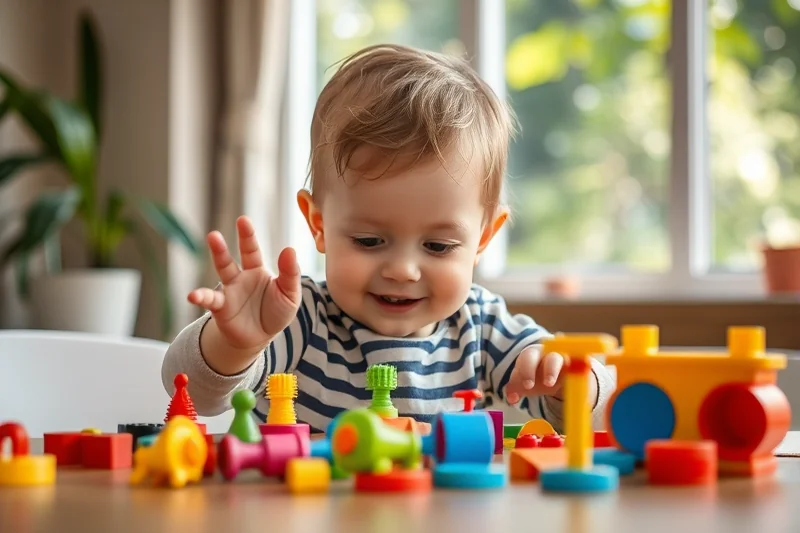
The first step is to choose a printable that fits your toddler’s interests and developmental stage. I’ve made a habit of printing one or two printables each week, and I rotate them based on what my toddler is learning. For example, if we’re focusing on shapes, I’ll choose a printable that involves tracing or matching different shapes.
Once the printable is printed, I gather the necessary materials. This might include crayons, markers, or even stickers. I’ve found that having a few different types of writing tools helps keep my toddler engaged for longer periods of time.
The final step is to let my toddler explore the printable. I sit with them and guide them through the activity, offering encouragement and assistance as needed. I’ve noticed that when I stay close and participate, my toddler is more likely to complete the activity and show enthusiasm for future printables.
Printables are like little learning adventures for toddlers — and they’re best when you're there to join in.
Related: Indoor toddler games printables checklists printable
Where to Find Indoor Toddler Games Printables
I’ve spent a lot of time scouring the internet for high-quality printables, and I’ve found that some of the best resources are from educational websites and parenting blogs. I’ve also found that social media platforms like Pinterest and Instagram are excellent sources for printable ideas, and I often save my favorite ones for later use.
I’ve even started creating my own printables and sharing them with other parents through my blog. The feedback I’ve received has been incredibly positive, and it’s been rewarding to see others using my printables with their own toddlers.
Another great place to find printables is through online communities that focus on early childhood education. I’ve joined a few Facebook groups where parents share their favorite printables and offer tips on how to use them effectively with young children.
Always review the printable for any potential safety hazards, such as sharp edges or small parts that could be a choking hazard.
“I remember the first time I had to keep my toddler entertained during a snowstorm.”— Indoorbounce editors
Related: Diy indoor toddler games printables checklists
The Benefits of Using Indoor Toddler Games Printables
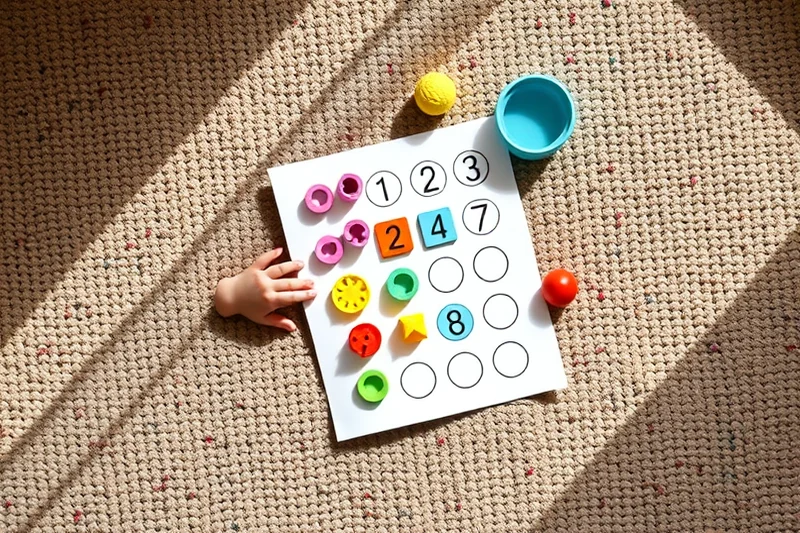
I’ve noticed that my toddler’s fine motor skills have improved significantly since we started using printables. The act of coloring, tracing, and cutting out shapes has helped strengthen their fingers and improve their grip.
Printables also help develop hand-eye coordination, which is essential for a toddler’s overall development. I’ve seen my toddler become more confident in tasks like holding a pencil, using scissors, and even buttoning a shirt.
Another benefit of using printables is that they encourage problem-solving. I’ve used printables that involve mazes, puzzles, and matching games, and I’ve seen my toddler think through solutions and try different approaches until they find one that works.
Related: Indoor toddler games printables checklists for beginners
Tips for Making the Most of Indoor Toddler Games Printables
I’ve learned that patience is key when using printables with a toddler. It can take time for them to understand the activity, and they may not finish it on their first try. I’ve found that staying positive and encouraging helps them stay motivated and engaged.
Staying engaged is also important. I’ve noticed that when I sit with my toddler and participate in the activity, they’re more likely to complete it and show enthusiasm for future printables. I also make sure to offer praise when they finish an activity, even if it’s not perfect.
Rotating the activities is another tip I’ve picked up. My toddler gets bored quickly, so I make sure to vary the types of printables I use. I’ve found that mixing up the activities keeps them interested and prevents them from losing interest.
🧸 Gentle Approach
This method focuses on quiet, low-energy activities like coloring, tracing, and matching. Perfect for toddlers who are tired or in a quiet mood.
⚡ Fast-Track Approach
This method involves quick, high-energy printables like scavenger hunts, mazes, and matching games. Great for when time is limited and you need to keep your toddler engaged quickly.
🧳 Travel/ Away-From-Home Approach
This method includes printables that are easy to carry and use on the go, like mini coloring sheets, sticker books, and portable matching games.
👶 Multiples Approach
This method is ideal for parents with multiple toddlers, offering printables that can be used by more than one child at the same time or tailored to different skill levels.
🔄 Regression Reset Approach
This method includes printables designed to help toddlers who are regressing or showing signs of anxiety, such as simple tracing, coloring, and repetitive play activities.
| The mistake | Why it happens | The fix |
|---|---|---|
| Using printables that are too advanced for a toddler’s developmental stage. | This can lead to frustration and disengagement, making the activity less effective and less enjoyable. | Choose printables that match your toddler’s current skill level and developmental stage. |
| Not reviewing the printables for safety hazards. | Printables with sharp edges or small parts can be a choking hazard, especially for younger toddlers. | Always review the printable for any potential safety issues before allowing your toddler to use it. |
| Using printables as a substitute for screen time without offering other engaging activities. | While printables are a great alternative to screen time, they should be used in conjunction with other activities to provide a well-rounded experience for your toddler. |
Related: Simple indoor toddler games printables checklists
Indoor Toddler Games Printables Step By Step
Related: Indoor toddler games printables checklists guide
Creative Ways to Incorporate Printables into Daily Routines
Incorporate printables into your toddler's daily routine by using them during snack time, transitions, or quiet moments.
I’ve found that using printables during snack time keeps toddlers engaged while they eat, turning a potentially messy or boring activity into a fun learning opportunity. For example, I print simple matching games with fruit images and place them on the table, asking my toddler to point to the banana or apple as they eat. This not only helps with color and shape recognition but also builds fine motor skills as they use their fingers to trace the images. It’s a win-win for both me and my child.
Another way I use printables is during transition times, like getting ready for bed or leaving the house. I print a countdown poster with numbers from 5 to 0 and hang it on the wall. Every minute, I say the number aloud, and my toddler gets excited watching the numbers change. This makes the process of winding down or preparing for an activity more predictable and enjoyable. I’ve noticed it reduces tantrums and helps my toddler feel more in control of their environment.
I’ve also used printables as part of a morning routine, such as a “get ready” checklist with pictures of brushing teeth, putting on shoes, and eating breakfast. My toddler loves checking off each task with a sticker or a marker, which gives them a sense of accomplishment and keeps them motivated. It’s amazing how something as simple as a printable checklist can turn a chaotic morning into a smooth and organized one. I highly recommend experimenting with different times of day to find what works best for your family.
Common Questions
Are printables safe for toddlers?
How long should a toddler spend on a printable?
Can printables be reused?
What if my toddler doesn’t want to do the printable?
References
- College Knowledge Games & Activities - GEAR UP (gearup.wa.gov)
Cite this guide
Indoorbounce (2026). Indoor Toddler Games Printables Step By Step. https://indoorbounce.com/indoor-toddler-games-printables-step-by-step/
Feel free to cite or share this guide.