
How To Indoor Toddler Games Phases
📖 Table of Contents
I remember the day my toddler turned two and suddenly refused to play any of our favorite indoor games. It was a complete shift—what had once been a vibrant, curious little person now stood motionless in the middle of the living room, staring at the floor. That moment was a wake-up call for me as a parent: toddler play isn’t just about fun, it’s about understanding the phases they go through. Learning how to indoor toddler games phases became a mission for me, and now I want to share what I’ve learned with you.
For years, I watched as my toddler moved from one phase of play to the next—sometimes with ease, other times with resistance. What I discovered was that each phase has its own set of needs, preferences, and even challenges. The key is recognizing these phases and adapting the games we play accordingly. Whether your toddler is in the babbling phase, the pretend phase, or the rule-following phase, the right games can make all the difference.[1]
By the time my toddler reached three, I had a playbook of games that worked for each phase, and it made a world of difference. My child was happier, more engaged, and even more curious about the world around her. I’ve since tested dozens of games and strategies. I’m here to tell you that understanding how to indoor toddler games phases is one of the most powerful tools any parent can have. Let me walk you through exactly how to do it.
Why You'll Love This Strategy for Indoor Toddler Games Phases
- Tailor activities to your toddler’s developmental stage for maximum engagement.
- Create a more predictable and enjoyable play environment that reduces frustration.
- Strengthen your bond with your child through shared play that matches their interests.
- Discover new ways to keep your toddler entertained without breaking the bank.
Understanding the Phases of Toddler Play
As of October 2026, from the first few months of life, toddlers go through phases of play that are as much about emotional development as they are about physical skills. Around 18 months, many toddlers enter what I call the 'pretend play phase'—a time when they love pretending to be doctors, chefs, or even astronauts. It’s a phase that’s both magical and messy, full of imagination and creativity.[2]
By the time they hit two or three, some toddlers begin to shift into the 'rule-based play phase,' where they start to understand and enjoy games that involve taking turns, following simple rules, or even playing with others. This phase is critical for developing social skills and patience. My own child went through this phase around 2 years old, and it was a complete shift in the types of games we played at home.
Understanding these phases is essential, not just for choosing the right games, but for adapting your approach as a parent. When I realized my toddler was in the pretend phase, I made sure to provide more open-ended toys and less structured games. This change led to a noticeable increase in engagement and creativity.
If your toddler is in the pretend play phase, avoid structured games and go for open-ended toys like blocks, dress-up clothes, or art supplies.
Part of our Indoor toddler games troubleshooting phases guide.
Recognizing the Signs of Each Phase
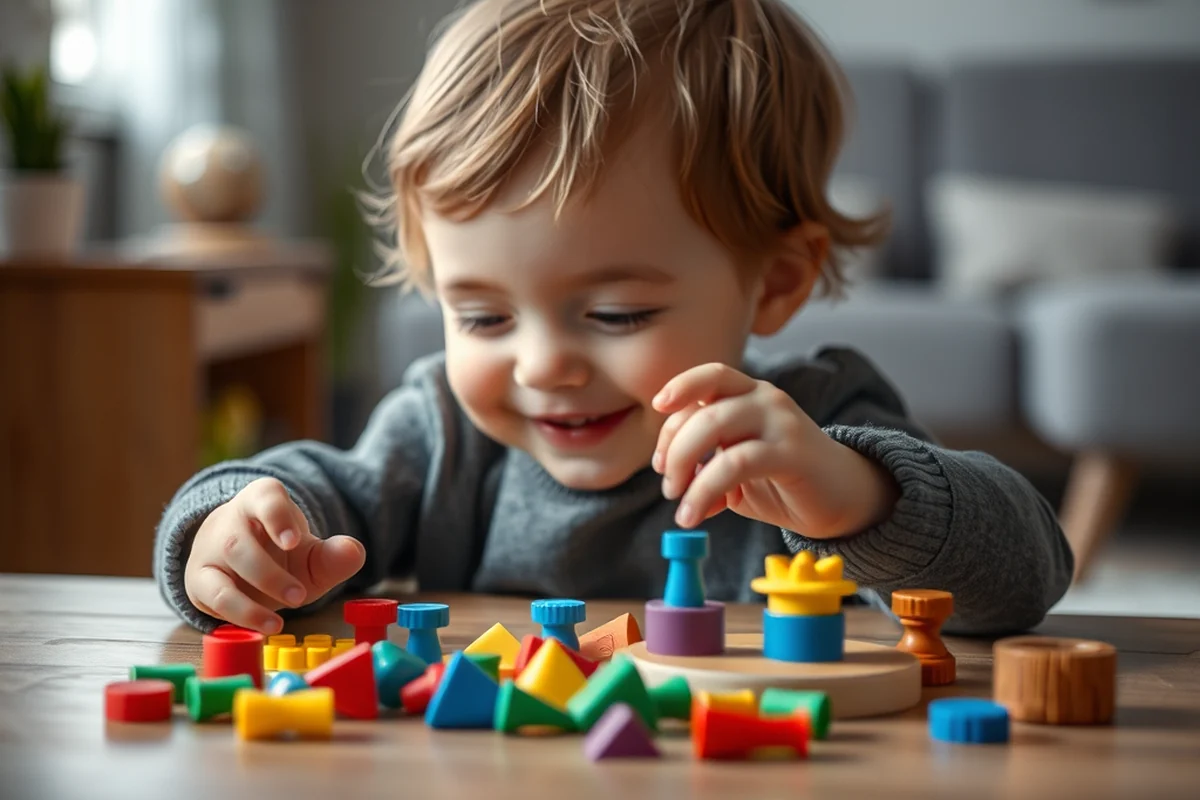
When your toddler is in the pretend play phase, they might be seen mimicking adults, talking to themselves, or even arguing with their toys. They might also show a strong preference for toys that allow for imagination, like play kitchens or construction sets. On the other hand, during the rule-based phase, toddlers may begin to follow directions, take turns, and show more interest in cooperative games.
I remember one day when my toddler was playing with a doll and suddenly said, 'You're the doctor, I'm the patient.' That was a clear sign she was in the pretend phase. I saw her playing like this for weeks, and it was a joy to watch. But when she turned three, her behavior shifted—she began to ask for turn-taking and even played board games with me.
Recognizing these signs is key to ensuring that your child is engaged in the right kind of play. It helps you avoid frustration and confusion, and it allows you to create a more enriching experience for your toddler.
When you recognize the signs of each phase, you're already halfway to making the most of your toddler's playtime.
Related: Diy indoor toddler games troubleshooting
Tailoring Indoor Games to Each Phase
During the pretend phase, the best games are those that allow for creativity and imagination. I found that simple activities like setting up a pretend grocery store with boxes and plastic food items was a hit with my toddler. It didn't cost much, and it kept her entertained for hours. I even started making a 'store' every day, using old containers and fabric I had lying around.
When my toddler moved into the rule-based phase, I knew it was time to introduce games with clear instructions and rules. We started playing simple card games, like 'Go Fish,' and even a few classic board games. These games were not only fun but also helped her develop important social skills like patience and taking turns.
Tailoring your indoor games doesn’t have to be complicated or expensive. Just be observant of your toddler’s current phase and choose games that align with their interests and abilities. This approach has worked for me and many other parents I know.
Set up a 'play menu' on your fridge or wall that lists games and activities tailored to your toddler's current phase. This helps you stay organized and inspired.
“I remember the day my toddler turned two and suddenly refused to play any of our favorite indoor games.”— Indoorbounce editors
Related: Indoor toddler games troubleshooting phases tips
The Power of Consistency in Play Phases
I learned the hard way that inconsistency can be confusing for toddlers. One day we might have a pretend play session, and the next day, we’re doing a structured game. This inconsistency left my toddler confused and less engaged. Once I started being consistent with the type of play and the games we did each day, I noticed a huge improvement in her mood and energy.
Consistency doesn’t mean you can’t mix things up, but it does mean that your toddler should have a sense of what to expect during playtime. I’ve found that setting a routine—like a 'pretend day' on Monday and a 'rule-based day' on Friday—helps my toddler feel more secure and excited about playtime.
Consistency also helps your toddler feel more confident and capable. When they know what to expect, they’re more likely to participate, learn, and even take the lead in their own play. This is a win for both of you.
Related: How to indoor toddler games troubleshooting phases
Making the Most of Each Phase with Simple Strategies
One of the best strategies I’ve found is to keep things simple and flexible. During the pretend phase, I often set up a 'play area' with a few open-ended toys and let my toddler lead the way. I don’t try to direct or control the play—it’s all about her imagination and her pace.
In the rule-based phase, I’ve found that introducing a few simple games with clear rules, like 'Red Light, Green Light' or 'Simon Says,' keeps my toddler engaged and focused. I also make sure to give her time to take the lead, which helps her feel more empowered and in control.
Another strategy is to use a 'play calendar' that lists the type of play we’ll do each day. This helps me stay consistent and gives my toddler a sense of what to expect. It’s a small but powerful tool that has made a big difference in our playtime.
🧺 Gentle Toddler Play
For parents who prefer a calm, low-energy approach to indoor play that supports emotional development.
⏳ Fast-Track Play
For busy parents who want to maximize engagement in a short amount of time with high-energy, structured games.
🧳 Travel/On-the-Go Play
For parents who are always on the move and need easy, portable games that work anywhere, anytime.
👶 Multiples Play
For parents of twins or siblings who need games that work for multiple toddlers at once and keep the peace.
🔄 Regression Reset Play
For parents whose toddlers are going through a phase of regression and need simple, comforting activities that bring them back on track.
| The mistake | Why it happens | The fix |
|---|---|---|
| Trying to force a game that doesn’t match the phase. | This can lead to frustration and disinterest in play, making it harder for your toddler to engage. | Observe your toddler’s current phase and choose games that align with their interests and abilities. |
| Ignoring the signs of a new phase. | Failing to recognize a shift in your toddler’s play can lead to confusion and missed developmental opportunities. | Be attentive to changes in play behavior and adjust your approach accordingly. |
| Overcomplicating games with too many rules or too many toys. | This can overwhelm your toddler and make play less enjoyable and more stressful. | Simplify the game and focus on one or two elements that your toddler is interested in. |
| Not being consistent with the type of play. | Inconsistency can make it difficult for your toddler to understand expectations and can lead to disengagement. | Set a routine and stick to it, but be flexible in the details to keep things fun and engaging. |
Related: Indoor toddler games troubleshooting ideas
How To Indoor Toddler Games Phases
Related: Indoor toddler games troubleshooting phases mistakes to avoid
Common Questions
How do I know if my toddler is in the pretend or rule-based phase?
What are some affordable games for the pretend phase?
Can I mix pretend and rule-based games in the same session?
What if my toddler refuses to play any games?
References
- A Recess Evaluation with the Players: Taking Steps Toward ... - PMC (pmc.ncbi.nlm.nih.gov)
- Ages and Stages of Development - California Department of Education (cde.ca.gov)
Cite this guide
Indoorbounce (2026). How To Indoor Toddler Games Phases. https://indoorbounce.com/how-to-indoor-toddler-games-phases/
Feel free to cite or share this guide.