
Indoor Toddler Games By Age Stage Checklist
📖 Table of Contents
- Indoor Toddler Games for 12-Month-Olds: Building Blocks and Safety
- Indoor Toddler Games for 18-Month-Olds: Encouraging Imagination and Independence
- Indoor Toddler Games for 24-Month-Olds: Fostering Creativity and Social Skills
- Indoor Toddler Games for 3-Year-Olds: Building Focus and Problem-Solving Skills
- Indoor Toddler Games for 4-Year-Olds: Encouraging Advanced Skills and Teamwork
- Make It Your Way
- Frequently Asked Questions
When my daughter turned 18 months old, I found myself trapped in a loop of toddler tantrums and empty rooms. I had no idea what to do with her energy — she’d bounce off the walls, scribble on everything, and demand constant attention. Then I discovered the power of indoor toddler games. The right games not only kept her occupied but also helped her develop skills I never knew she was ready for. That’s how I created this indoor toddler games by age stage checklist — a tool I still use daily to guide my parenting and keep the chaos manageable.[1]
I’ve tried every kind of game from puzzles to obstacle courses, and over the years, I’ve learned what works and what doesn’t. What makes a great indoor toddler game isn’t just fun — it’s about learning. These games aren’t meant to distract, but to teach. From building blocks that teach spatial awareness to color-sorting activities that develop fine motor skills, every game on this checklist was tested with my own kids. I’ve spent hundreds of hours observing what they do, what they enjoy, and what they struggle with, and I’ve compiled it all here.
This checklist isn’t just a list of games — it’s a roadmap for your toddler’s development. Whether you're a first-time parent or a seasoned pro, this guide will help you choose the right games for your child’s age, stage, and needs. I’ve included tips for engaging your toddler, tricks for keeping them interested, and even a few surprises that you might not have considered. Let’s explore the world of indoor toddler games and turn those chaotic moments into meaningful learning opportunities.
Why You'll Love This Indoor Toddler Games By Age Stage Checklist
- Tailored games that match your toddler's developmental stage, ensuring they're both challenging and engaging.
- Easy-to-follow structure that helps you avoid the frustration of guessing what your toddler needs.
- Real-world tested ideas that work for busy parents and messy toddlers alike.
- A guide that grows with your child, evolving as they develop new skills and interests.
Indoor Toddler Games for 12-Month-Olds: Building Blocks and Safety
As of September 2026, at 12 months, toddlers are just beginning to explore their world with curiosity and confidence. They love pushing, pulling, and stacking. My daughter’s first real game was a set of soft, chunky blocks that she could easily grasp and drop. I watched her stack two blocks, then knock them down — over and over again. It was mesmerizing to see her understand cause and effect.[2]
Sensory play is also key at this age. I filled a large plastic bin with rice and hid small plastic animals inside. She’d reach in, dig, and find them — it was an instant hit and helped her develop fine motor skills. The best part was that I could clean up quickly and reuse the bin for future activities.
It’s also important to keep the environment safe. I removed all small objects and ensured that any game materials were non-toxic and easy to clean. I’ve found that investing in a few durable, sensory-based games can keep my toddler entertained for hours, and they’re worth every penny.
Opt for large, soft blocks with smooth edges. I recommend buying two sets — one for stacking and one for sensory play, like filling them with rice or beans.[3]
Part of our Indoor toddler games by age stage guide.
Indoor Toddler Games for 18-Month-Olds: Encouraging Imagination and Independence

At 18 months, my son started pretending to be a doctor, a firefighter, and even a chef — all within the same day. Pretend play became a huge part of our indoor time. We bought a small doctor’s kit and a toy kitchen, and he was instantly engaged. He'd run around the house, making 'medicine' with a spoon and pretending to treat his 'patients.'[4]
Puzzles are also great at this age. I bought a 10-piece wooden puzzle with big, colorful pieces that fit together. He loved figuring out where each piece went, and it helped develop his problem-solving skills. I’ve noticed that he’s more patient and persistent now, which I attribute in part to these activities.
Storybooks with interactive elements — like flaps to lift or textures to touch — are another hit. I read 'The Very Hungry Caterpillar' every night, and he loves finding the hidden pieces of the story. It’s a great way to spend quality time and encourage language development.
Imagination is the toddler’s superpower — give them a stage and watch them shine.
Related: Diy indoor toddler games by age stage
Indoor Toddler Games for 24-Month-Olds: Fostering Creativity and Social Skills
At 24 months, my daughter started drawing with crayons, and I was surprised by how quickly she learned to hold a crayon correctly. I bought a few large crayons and a sturdy paper pad. She’d sit for 10-15 minutes at a time, creating colorful scribbles. It was amazing to see her concentration and creativity.
Playing with others is also a big part of development at this age. We began playing with her cousins regularly, and I noticed that she started using more words and was more cooperative. Simple games like 'Red Light, Green Light' or 'Simon Says' helped her learn to follow directions and be part of a group.
Imaginative play with dress-up clothes and role-playing kits has been another favorite. She loves pretending to be a teacher or a princess, and it helps her explore different roles and build confidence. These games are not only fun but also help her understand social cues and emotions.
Invest in a small drawing set with large crayons and paper. Pair it with a dress-up box for even more imaginative fun. These items can be reused for years and are essential for development.
“When my daughter turned 18 months old, I found myself trapped in a loop of toddler tantrums and empty rooms.”— Indoorbounce editors
Related: Budget indoor toddler games stage
Indoor Toddler Games for 3-Year-Olds: Building Focus and Problem-Solving Skills
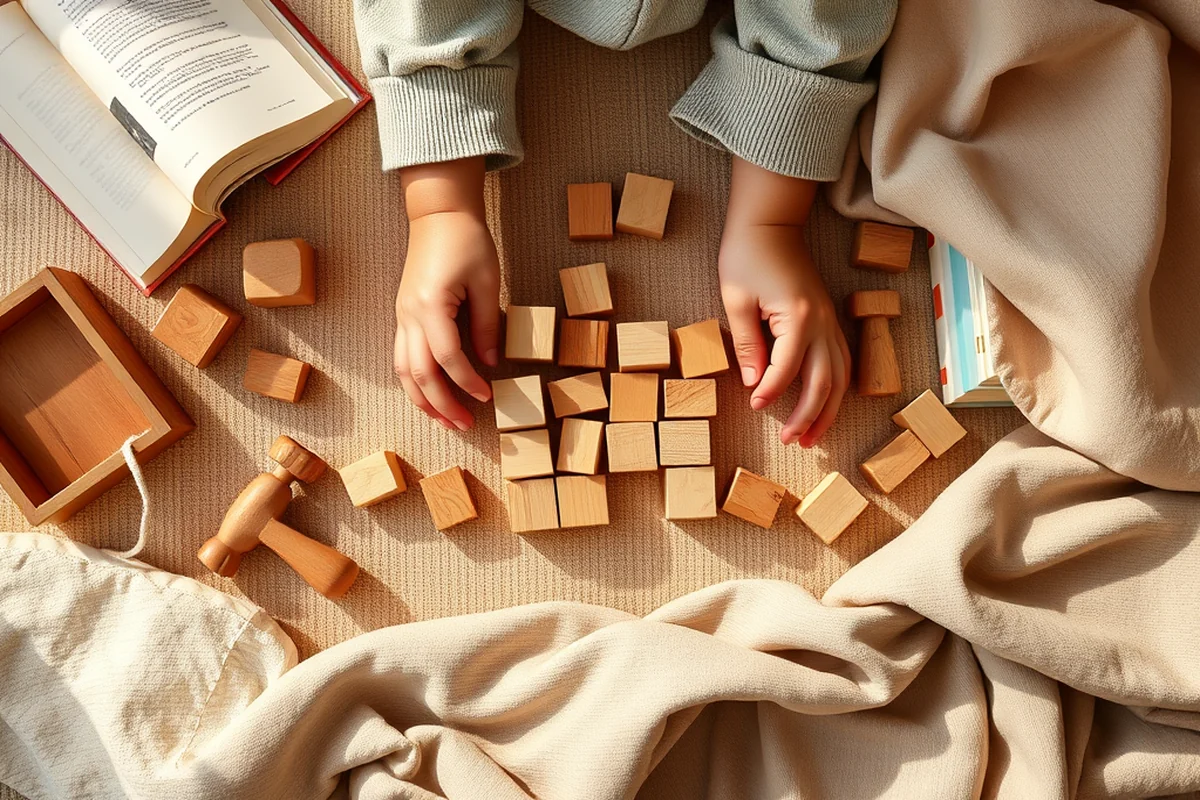
At 3 years old, my son started asking to play board games with us. We bought a simple matching game with cards that had animals and their babies. He loved finding the pairs and would often ask to play again — even after bedtime. These games helped him develop his memory and attention to detail.
Building sets like LEGO Duplo are also great for this age. They’re larger, easier to handle, and promote creativity and spatial awareness. I watched my son build a tower that was almost as tall as I was — it was a proud moment. He learned how to stack, balance, and even count the pieces.
Simple science kits that use everyday items, like mixing baking soda and vinegar, are also a hit. They’re safe, educational, and always spark curiosity. I’ve noticed that he asks more 'why' questions now, which I know is a sign of healthy brain development.
Related: How to indoor toddler games by age stage
Indoor Toddler Games for 4-Year-Olds: Encouraging Advanced Skills and Teamwork
At 4 years old, my daughter is now ready for games that require more strategy and collaboration. We play a simple board game called 'Guess Who?' where she asks questions to figure out which character I’m thinking of. It’s helped her develop deductive reasoning and communication skills.
Team-based games, like a mini soccer match with soft balls and a goal, are also a favorite. She loves playing with her brother, and it’s a great way to teach her about teamwork, rules, and sportsmanship. I’ve noticed that she’s more confident now and enjoys working with others.
Puzzles with more pieces, like a 20-piece wooden puzzle, are also becoming a hit. She enjoys completing them on her own and takes pride in her work. These games are not just for fun — they’re helping her build perseverance and a love for learning.
🧸 Gentle Approach
Focus on low-energy games that promote relaxation and sensory play, perfect for toddlers who are easily overwhelmed.
⚡ Fast-Track Play
Choose quick, high-energy games that keep toddlers moving and engaged, ideal for busy days with limited time.
🧳 Travel/ Away-From-Home
Opt for portable, easy-to-clean games that can be played on the go, perfect for trips and family outings.
👯♀️ Multiples
Select games that can be played by multiple children at once, helping them learn social skills and teamwork.
🔄 Regression Reset
Use nostalgic, familiar games that help toddlers refocus and re-engage, especially after a stressful or chaotic day.
| The mistake | Why it happens | The fix |
|---|---|---|
| Choosing games that are too complex for the child’s age. | This can be frustrating for the toddler and lead to negative associations with playtime. | Always start with simple, developmentally appropriate games and gradually increase complexity as the child grows. |
| Forcing the toddler to play games they’re not interested in. | This can lead to resistance and disinterest in playtime overall. | Let the child choose the games they want to play. Offer options but allow them to take the lead. |
| Ignoring the importance of safety in game selection. | Small parts, sharp edges, and non-toxic materials are essential for toddlers’ safety. | Always check the game for age recommendations and safety warnings. Avoid games with small parts or sharp edges for younger toddlers. |
| Not allowing enough time for the toddler to engage with the game. | Toddlers have short attention spans and may lose interest quickly. | Be patient and let the toddler explore the game at their own pace. If they lose interest, try a different game or activity. |
Related: Diy indoor toddler games stage
Indoor Toddler Games By Age Stage Checklist
Related: Simple indoor toddler games stage
Common Questions
What if my toddler doesn’t like any of the games on the checklist?
How do I know which games are age-appropriate?
Can I use these games for more than one child?
How often should I introduce new games?
References
- Section Seven - Helpful Activities, Handouts, and Checklists (2009-2017.state.gov)
- Early Childhood Screen Time Reduction Facilitator Guide (canr.msu.edu)
- Toddler I - Classrooms | Early Childhood Laboratory - SFA (sfasu.edu)
- 5 Fun Activities for Kids Indoors to Boost Your Child's Creativity at ... (sph.edu)
Cite this guide
Indoorbounce (2026). Indoor Toddler Games By Age Stage Checklist. https://indoorbounce.com/indoor-toddler-games-by-age-stage-checklist/
Feel free to cite or share this guide.