
Indoor Baseball Game
📖 Table of Contents
There I was, standing in my garage with a bunch of mismatched bats, a net I bought at a garage sale. Two kids who had just finished a school project on the history of baseball. It was raining outside, and the last thing I wanted was to let them sit inside and watch TV. So I pulled out the old baseball equipment, tied the net to the garage door, and told them we were having an indoor baseball game. The look on their faces? Pure, unfiltered delight.[1]
What started as a desperate attempt to keep the kids entertained turned into a ritual we still do every weekend. The garage became our makeshift field, the net our fence, and the sound of the bat hitting the ball became the soundtrack to our family’s favorite activity. It wasn’t perfect—there were a few times the ball went through the garage window and the neighbor’s cat got into the net—but somehow, it worked. And it worked really well.
Now, I can’t imagine a weekend without that indoor baseball game. It’s not just about the sport—it’s about the moments: the laughter, the concentration, the way my kids look at me when I yell, 'Play ball!' It's about building something together that doesn’t require a park, a coach, or even a weekend. It's about creating a game that fits perfectly into our lives, right here, in our garage.[2]
Why You'll Love This Indoor Baseball Game
- It’s an easy, no-cost way to entertain kids on rainy days or when you’re stuck inside.
- It promotes physical activity and teamwork in a fun, low-pressure environment.
- It allows for creativity and improvisation, using whatever you have at home.
- It can be played anytime, anywhere, without the need for a field or expensive equipment.
Setting Up the Indoor Baseball Game
As of September 2026, I used my garage as the main field, which gave us a decent amount of space to move around. I stretched a net across one end of the garage and used it as a makeshift fence. I grabbed a few old bats, a soft ball, and a bucket to collect the balls after each hit. The kids loved the idea of turning the garage into a baseball field, and it made the game feel even more special.
We laid out a few markers on the floor to indicate where the bases would be. I used pieces of tape, which made the bases visible but not too intrusive. I also set up a small area near the net where we could have a 'pitcher’s mound' and a 'home plate.' The kids were excited to be assigned roles, like pitcher, batter. Fielder.
To keep the game organized, I created a simple scorecard using a piece of paper and a pencil. Each time someone hit the ball over the net or got out, we marked it down. The kids loved keeping track of the score and seeing their progress as the game went on.
Don’t feel like you need to buy anything special. Use old bats, soft balls, and even a plastic bucket to collect the balls. It’s all about the fun, not the equipment.
Part of our Indoor toddler games guide.
Creating a Safe and Fun Environment
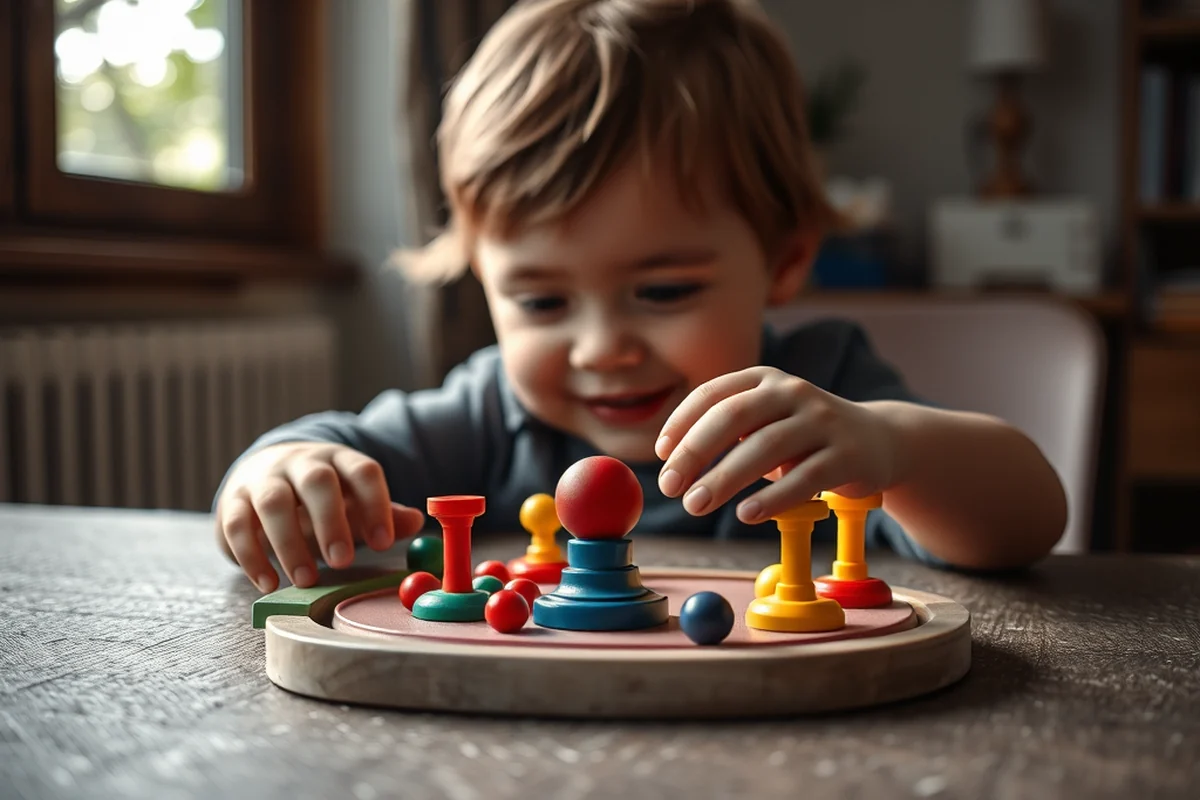
I made sure the area was clear of any obstacles that could cause tripping or injury. I moved any furniture to the sides and checked that the floor was even. The net was secured tightly so it wouldn’t come loose during play. I also made sure the ball used was soft to avoid any risk of injury if it hit someone.
I set clear boundaries for the game, such as not running into the walls or jumping on the net. I encouraged the kids to follow the rules, but I kept it light and fun, allowing for some flexibility when mistakes happened. The most important thing was that everyone felt safe and excited to play.
I was always nearby to step in if needed, whether to help with a ball that went too far or to redirect a player who was getting too rough. It was all about creating a space where they could play freely, but still within the parameters of a game.
Safety doesn’t have to slow down the fun—just make sure the rules are clear and the space is safe.
Related: Indoor toddler games printable
Incorporating Simple Rules
We established a basic set of rules, such as no throwing the ball at other players, no running into each other, and always catching the ball before it hit the ground. These rules helped keep the game organized and fun for all players.
I made sure the rules were easy to understand and explained them in simple terms. For example, we used the phrase 'no throwing at people' instead of 'no physical contact.' This helped the kids grasp the rules without confusion.
We also had a rule that everyone had to take turns being the batter, which helped promote fairness and teamwork. The kids loved that they all got a chance to play every position, which made the game feel more inclusive and engaging.
Use simple language and make the rules part of the game, not a barrier. Keep it light and let the kids have fun while still learning the basics.
“There I was, standing in my garage with a bunch of mismatched bats, a net I bought at a garage sale, and two kids who…”— Indoorbounce editors
Related: Indoor toddler games under 30 minutes
Making the Game Interactive
We introduced a simple scoring system where each player earned points for each hit and for catching the ball. The kids loved seeing their scores go up and competing to be the best player of the day.
We also added a 'baseball trivia' round, where players had to answer a question about baseball before getting to bat. This was a fun way to incorporate learning and keep the game interesting.
We used a small whiteboard to keep track of the trivia questions and the scores. The kids took turns asking questions and keeping track of the answers. It made the game even more interactive and engaging for them.
Related: Games for kids indoor explained
Involving the Whole Family
I made sure that the kids’ parents and siblings were involved in the game, whether as players, coaches, or spectators. It was a great way for the whole family to come together and have fun.
We had a family tournament every weekend, where each member of the family got to play and compete. The kids loved seeing their parents participate, and it made the game feel even more special.
We also had a 'family rule' that we all had to play together at least once during the game. This helped create a sense of unity and made the game feel even more like a family tradition.
Related: Fast games for children indoor
Adding a Competitive Edge
We set up a small leaderboard on the wall, where we kept track of each player’s score throughout the week. The kids loved seeing their names on the board and trying to beat their scores from the previous week.
We also had a 'champion of the week' award, which was given to the player with the highest score at the end of the week. The kids would often ask me if they were the champion, and it was a fun way to keep them motivated.
We also had a 'family challenge' where we competed as a team against each other. The kids loved the idea of working together with their parents and siblings to win the challenge.
A little competition can go a long way in keeping the kids engaged and excited to play.
Related: Indoor kids party games tips
Keeping the Game Going
We made the indoor baseball game a regular part of our weekend routine, and it became one of our favorite family activities. We played every Saturday and Sunday, and sometimes even on school nights when we had the time.
To keep the game fresh, we introduced new rules and variations each week. One week, we played with a timer, and another week, we had a 'no talk' rule where players couldn’t talk during the game. These small changes kept the game exciting and made it feel like something new each time.
We also kept the game going by making it a family tradition. We had a special way of starting the game, like saying 'Play ball!' or using a specific phrase that we all agreed on. It made the game feel even more special and meaningful.
🧸 Gentle Play
For younger kids or those who prefer a more relaxed game, the rules and intensity can be adjusted to suit their comfort level.
⏱️ Fast-Track Game
For families with limited time, a shortened version of the game can be played in just a few minutes, focusing on quick rounds and simple rules.
🧳 Travel/away-from-home Game
When you're on the go, you can bring the game with you by using portable equipment and playing in hotel rooms, parks, or other temporary spaces.
👨👩👧👦 Multiples Game
When you have multiple children, the game can be played with teams, making it more competitive and fun for all players.
🔄 Regression Reset
When the game gets too intense or the rules become too complicated, a reset can bring it back to its simpler, more playful roots.
| The mistake | Why it happens | The fix |
|---|---|---|
| Not setting clear boundaries for the game. | This can lead to accidents, confusion, or even frustration among the players. | Set clear boundaries and rules before starting the game, and make sure everyone understands what is expected of them. |
| Using a hard ball that could cause injury. | A hard ball can be dangerous, especially if it hits someone in the face or eyes. | Use a soft ball that is safe for children to play with, and make sure it’s not too bouncy or hard. |
| Not involving all family members. | This can make the game feel exclusive or leave some family members feeling left out. | Make sure to include everyone in the game, whether as players, coaches, or spectators. It’s a great way to build family bonds. |
| Making the game too complicated or too long. | This can lead to frustration, especially with younger children who may lose interest quickly. | Keep the game simple, fun, and short. Adjust the rules and the length of the game based on the age and attention span of the players. |
Indoor Baseball Game
Common Questions
What if I don’t have a garage or a large indoor space to play in?
What if I don’t have any baseball equipment?
How long does the game typically last?
Can the game be played with just one child?
References
- Plano Sports Authority: Home (annatexas.gov)
- The Decline of Play and the Rise of Psychopathology in Children ... (files.eric.ed.gov)
Cite this guide
Indoorbounce (2026). Indoor Baseball Game. https://indoorbounce.com/indoor-baseball-game/
Feel free to cite or share this guide.