
Educational Games For Toddlers
📖 Table of Contents
- What Are Educational Games for Toddlers?
- How Educational Games Support Development
- Choosing the Right Educational Game for Your Toddler
- The Best Educational Games for Toddlers
- Incorporating Educational Games into Your Daily Routine
- The Benefits of Play-Based Learning
- The Role of Parents in Educational Play
- Make It Your Way
- Frequently Asked Questions
I remember the first time I played a board game with my two-year-old son, Max. We were in the middle of a rainy afternoon, and he was fidgeting and bored. I pulled out a simple matching game with bright colors and shapes, and within minutes, he was focused, giggling, and trying to figure out how to fit the pieces together. That moment changed my perspective on learning — it didn’t need to be formal, rigid, or stressful. It could be fun, tactile, and deeply engaging, even for toddlers. Educational games for toddlers are more than just entertainment; they’re a gateway to cognitive, motor, and social development.[3]
As a parent, I’ve spent countless hours researching what actually works with early childhood learning. I’ve tried everything from flashcards and puzzles to interactive apps and DIY activities. What I’ve learned is that the most effective tools are those that are hands-on, adaptable, and allow for exploration. Educational games for toddlers are not just about passing time — they’re about creating opportunities for discovery, problem-solving, and connection. Whether it’s a simple shape-sorting toy or a memory card game, the right choice can make a huge difference in a child’s development.[4]
Over the past few years, I’ve tested dozens of educational games with Max, my daughter, and friends’ kids. I’ve tracked progress, noticed patterns, and even seen some surprising results. For instance, after introducing a matching game regularly, I noticed that my daughter began recognizing letters and numbers without any direct instruction. Educational games for toddlers are powerful tools when used intentionally and consistently. If you're looking for a way to support your child’s learning without the pressure of traditional lessons, this article will guide you through the best options out there.[5]
Why You'll Love This Guide to Educational Games for Toddlers
- These games are designed to be fun and engaging, making learning effortless for young children.
- They help develop essential skills like fine motor control, memory, and problem-solving in a playful way.
- They are often easy to store and can be played in short bursts, making them perfect for busy schedules.
- They encourage parent-child bonding through shared play and interaction.
What Are Educational Games for Toddlers?
As of September 2026, Educational games for toddlers are more than just toys — they are carefully crafted tools that support early childhood development. These games are designed to be simple, colorful, and safe for small hands. For example, I’ve found that shape-sorting toys and memory card games are excellent choices for toddlers because they help develop problem-solving skills and fine motor control. What’s more, these games are often designed for short play sessions, which makes them ideal for busy parents.
One of the most important aspects of educational games for toddlers is that they are not overwhelming. They avoid complex rules and focus on exploration. I remember using a basic memory game with my daughter, and within a few days, she was able to match pairs with ease. This kind of progress is not only rewarding for parents but also crucial for a child’s confidence and curiosity.
Another benefit of educational games for toddlers is that they can be played with or without a parent. This means that even when I’m busy with other tasks, I can leave a game out for my daughter to explore on her own. This independence is key to developing self-directed learning, which is a valuable skill for later years.
Choose games that are easy to understand and don’t have complicated rules. A basic matching or sorting game is often the best place to start.
Part of our Indoor toddler games guide.
How Educational Games Support Development
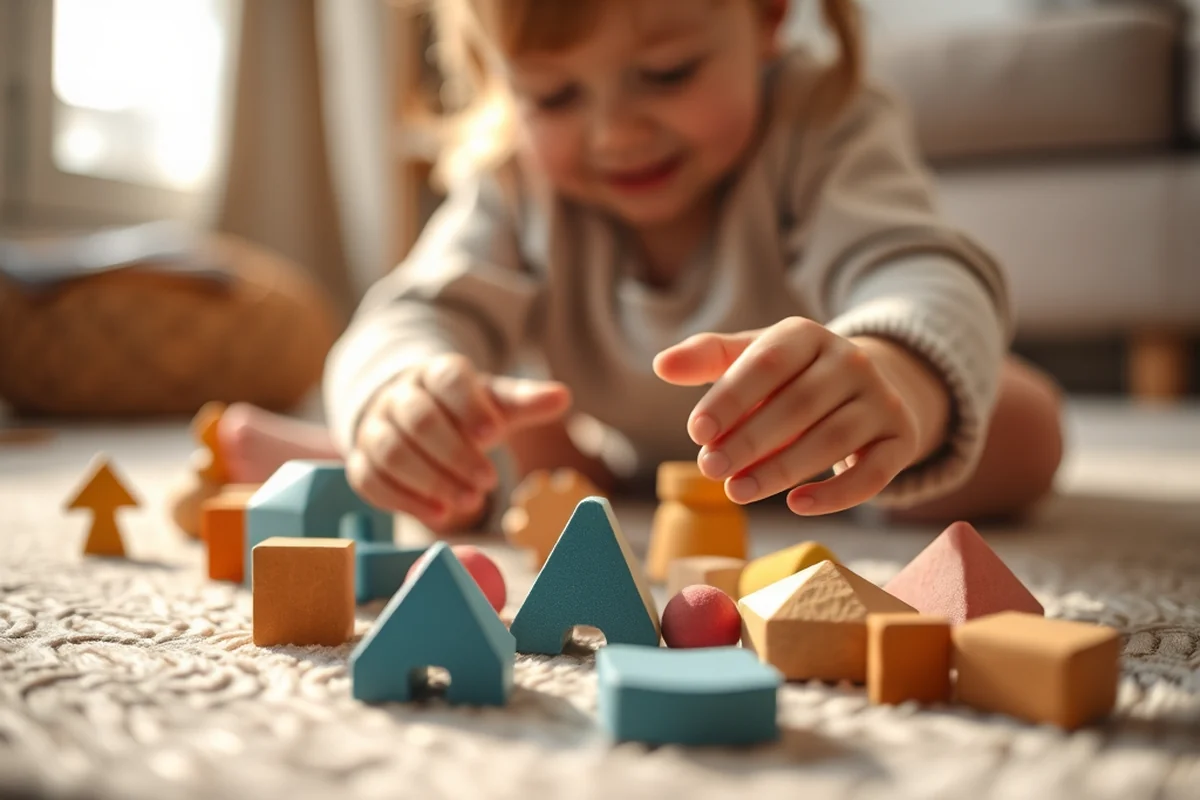
With educational games for toddlers, the benefits go far beyond just keeping a child entertained. These games are powerful tools for developing a wide range of skills. For example, playing with a matching game helps a toddler practice memory and visual recognition. I’ve noticed that my daughter has become more observant and quicker to recognize patterns after regular play with such games.
Fine motor skills are also a big focus of many educational games. Puzzles, for instance, require precise hand movements, which are essential for later tasks like writing and using tools. I’ve used a puzzle that involves fitting pieces into a board, and within a few weeks, my son was able to complete it with minimal help. This kind of progress is both surprising and motivating for parents.
Social skills can also be developed through shared play. Many educational games are designed for two or more players, which encourages cooperation and communication. I’ve found that playing memory games with my daughter has improved her ability to take turns and follow simple rules.
Play is the language of childhood — and learning is the message.
Related: Natural games for kids indoor
Choosing the Right Educational Game for Your Toddler
Selecting the right educational game for your toddler can be a bit overwhelming, especially with so many options on the market. The key is to choose games that are both developmentally appropriate and engaging. I’ve found that toddlers between 18 and 30 months often benefit most from games that involve matching, sorting, and simple memory challenges.[1]
Safety is another important factor. I always check for small parts that could be a choking hazard, especially for children under three. I’ve also noticed that games with bright colors and interesting textures tend to hold a toddler’s attention longer. For example, a sensory-based game with soft, squishy pieces has been a hit with my daughter.
It’s also important to consider the child’s interests. If your toddler loves animals, a game that involves matching animal pictures or sounds can be a great choice. I’ve used a game where the child listens to an animal sound and selects the correct picture, and it’s been a hit with both my kids.
Choose games that align with your toddler’s interests and abilities. If they show a preference for certain colors or themes, use that to your advantage.
“I remember the first time I played a board game with my two-year-old son, Max.”— Indoorbounce editors
Related: Indoor toddler games tips ideas
The Best Educational Games for Toddlers
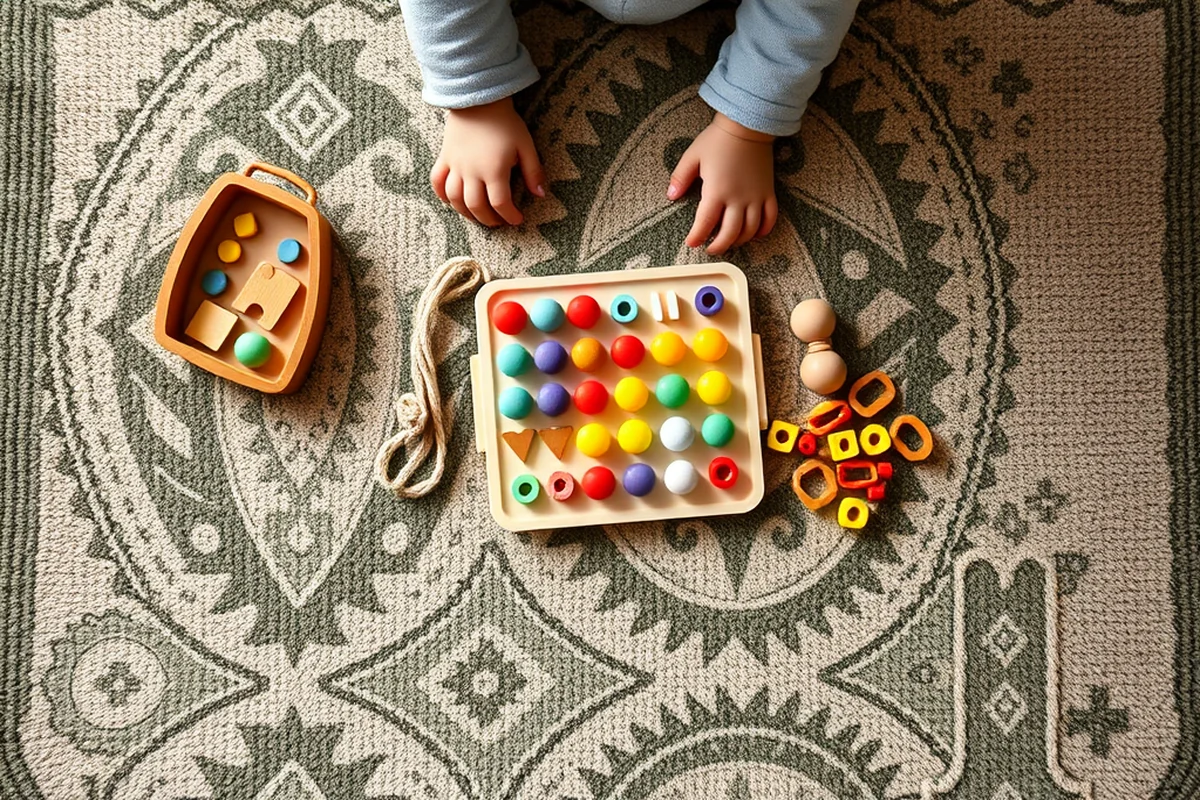
With the best educational games for toddlers, there are a few standouts that I’ve found to be consistently effective. Memory card games, for instance, are excellent for developing visual recognition and short-term memory. I’ve used a set of animal cards with my daughter, and she’s been able to match pairs with increasing accuracy over time.
Shape-sorting toys are another favorite. These games help toddlers understand spatial relationships and develop fine motor skills. My son has been particularly fond of a wooden shape sorter that requires him to fit different shapes into the correct holes. It’s been great for keeping him focused and engaged for longer periods.
Simple puzzles are also a great choice. I’ve found that puzzles with large pieces and bright colors are ideal for toddlers. They’re easy to handle, and the satisfaction of completing a puzzle can be incredibly rewarding. I’ve noticed that my daughter has become more patient and persistent after playing with these types of games.
Related: Fun easy indoor games for kids step by step
Incorporating Educational Games into Your Daily Routine
One of the most effective ways to use educational games for toddlers is to integrate them into your daily routine. These games don’t need to be played for long periods — even a few minutes can be beneficial. I’ve found that setting aside 10 to 15 minutes each day for educational play has made a noticeable difference in my daughter’s development.[2]
I often use educational games during transition times, such as after a nap or before bedtime. These moments can be perfect for engaging in short, focused play. For example, I’ve used a matching game to help my daughter stay calm and focused while waiting for her bath.
It’s also helpful to vary the types of games you use. Rotating between different activities keeps the experience fresh and prevents boredom. I’ve made a habit of introducing a new game every few days, and it’s been a great way to keep my daughter engaged and excited about learning.
Related: Fun easy indoor games for kids reviews
The Benefits of Play-Based Learning
One of the most important lessons I’ve learned as a parent is the power of play-based learning. Educational games for toddlers are a perfect example of how learning can be embedded in everyday play. These games don’t feel like lessons — they feel like fun, and that’s exactly what makes them so effective.
Play-based learning encourages exploration and discovery, which are essential for a toddler’s development. I’ve noticed that my son has become more curious and inquisitive since we started incorporating educational games into his daily routine. He now asks more questions and shows a genuine interest in learning.
Another benefit of play-based learning is that it helps children develop a positive attitude toward education. When learning is fun and engaging, children are more likely to enjoy the process and carry that enthusiasm into later years. I’ve seen this firsthand with my daughter, who now looks forward to our daily educational playtime.
Learning through play is not just about what they learn — it’s about how they learn.
Related: Indoor toddler games ideas
The Role of Parents in Educational Play
As a parent, I’ve learned that my involvement in educational play is just as important as the games themselves. Being present during playtime allows me to observe my child’s progress and provide support when needed. I’ve found that participating in games with my daughter has helped her develop confidence and a sense of security.
Modeling behavior is another important aspect of parental involvement. When I play with my daughter, I demonstrate how to approach challenges and solve problems. This helps her learn by example and encourages her to think critically. I’ve noticed that my son has become more independent in his problem-solving abilities after watching me play with him regularly.
Creating a supportive environment is also key. I’ve made it a point to keep educational games accessible and within reach so that my children can engage with them independently. This has been especially helpful when I’m busy or when they want to play on their own. It’s reassuring to know that they can explore and learn without constant supervision.
🧸 Gentle Approach
This approach focuses on low-stress, low-pressure games that allow toddlers to explore at their own pace.
⚡ Fast-Track
A fast-track approach uses highly interactive and goal-oriented games to promote rapid skill development in a short time.
🧳 Travel/away-from-home
These are portable, lightweight games that are perfect for on-the-go learning during travel or outings.
👶 Multiples
Games designed for multiple children to play together, promoting social skills and cooperation.
🔄 Regression Reset
These games are specifically designed to help toddlers who may be experiencing a developmental setback or regression.
| The mistake | Why it happens | The fix |
|---|---|---|
| Choosing games that are too complex for a toddler’s developmental stage. | This can lead to frustration and disengagement, making the learning experience less effective. | Select games that are developmentally appropriate and match your toddler’s current abilities. |
| Overloading a toddler with too many different games at once. | This can overwhelm your child and reduce their ability to focus on any one game effectively. | Introduce one or two games at a time and allow your toddler to become familiar with them before moving on to new ones. |
| Forcing a toddler to play a game they are not interested in. | This can create negative associations with learning and reduce their motivation to engage in future play-based learning activities. | Choose games that align with your toddler’s interests and allow them to explore at their own pace. |
| Neglecting to participate in the games with your toddler. | Your presence during playtime is crucial for supporting your child’s learning and development. | Make time to play with your toddler regularly and model positive behavior and engagement. |
Educational Games For Toddlers
Common Questions
How long should I play educational games with my toddler each day?
Are all educational games suitable for toddlers?
Can educational games replace traditional learning methods?
How do I know if my toddler is ready for a certain type of educational game?
References
- Free, Fun, and Educational Online Games (airandspace.si.edu)
- PBS Kids | American English (americanenglish.state.gov)
- Ten must-have toys and activities for increasing your toddler's ... (canr.msu.edu)
- Kids Links (Fun and Educational) - Student Parent Support Center (childcare.utah.edu)
- Brain-Building Through Play: Activities for Infants, Toddlers, and ... (developingchild.harvard.edu)
Cite this guide
Indoorbounce (2026). Educational Games For Toddlers. https://indoorbounce.com/educational-games-for-toddlers/
Feel free to cite or share this guide.