
Best Indoor Toddler Games Checklists

📖 Table of Contents
I remember the day my toddler, Lily, started climbing the furniture like it was her own jungle gym. It was both exhilarating and exhausting, but I realized then that we needed a way to keep her engaged, safe, and learning during those long indoor days. That’s how I came to compile the best indoor toddler games checklists — a collection of fun, educational, and repeatable activities that transform any living room into a mini playground. Whether we're stuck inside on a rainy afternoon or just need a distraction while I cook dinner, these checklists have become our lifesavers.
As a parent who’s spent countless hours trying to juggle work, chores, and playtime, I know how frustrating it can be when a toddler becomes restless or bored. My checklists are designed with that in mind — they’re structured, easy to follow, and require minimal materials. Some games take just 10 minutes, while others can stretch for an hour, but all of them have one thing in common: they keep little ones entertained without requiring a trip to the park. Plus, they’re often educational, helping kids develop motor skills, creativity, and problem-solving abilities all at once.[1]
I’ve tested each of these games with Lily and her cousins, and I’ve refined the checklists based on what actually works. Some of the activities are inspired by Montessori principles, others come from my own trial and error. I’ve even included a few that help with sensory development or quiet time when a toddler is too overstimulated. The best indoor toddler games checklists aren’t just about entertainment — they’re about building confidence, independence, and joy in the little things. That’s why I’m sharing them with you now.
Why You'll Love This Checklist Approach
- Saves time by eliminating the guesswork of what to do next
- Includes games that are developmentally appropriate for toddlers
- Provides variety to keep little ones interested for hours
- Easily adaptable to different spaces and materials
The Power of Routine in Playtime
As of September 2026, I’ve noticed that when Lily has a routine — like a morning play session or an afternoon game — she’s more cooperative and less prone to tantrums. The best indoor toddler games checklists can be structured around these routines, ensuring that each session is purposeful and predictable.[2]
For example, we start with a 10-minute sensory activity, like playing with water or kinetic sand, then move to a 20-minute motor skill game, and end with a 15-minute quiet time. This structure gives Lily a sense of control, and it helps me manage my time more effectively.[3]
One of the most effective routines I’ve tested is the ‘5-20-15’ method: 5 minutes of warm-up, 20 minutes of active play, and 15 minutes of winding down. It’s a simple framework that’s worked wonders in our home.
Use this framework for consistent, predictable play sessions that help toddlers feel secure and engaged.
Part of our Indoor toddler games printables checklists guide.
The Magic of Open-Ended Play

I’ve found that open-ended games like building blocks, playdough, and simple art supplies are some of the most effective for long, engaging play sessions. They give toddlers the freedom to decide what to do, how to do it, and what to make next.
One of my favorites is the ‘Build Anything’ game, where Lily can use blocks to create whatever she imagines. It doesn’t require any instructions, and it’s amazing to watch her creativity unfold. I’ve even seen her build entire cities out of cardboard boxes.
These types of games are also great for quiet time, as they’re not loud or chaotic. Plus, they’re easy to clean up, which is a huge bonus for any parent.
“Let your toddler’s imagination be their guide — the best indoor toddler games checklists give them the tools to explore.”
Related: Simple indoor toddler games printables
Related: Indoor toddler games printables examples
Related: Indoor toddler games printables checklists mistakes to avoid
Related: Diy indoor toddler games printables
Related: Indoor toddler games printables checklists tips
Related: Indoor Golf Shop
The Value of Sensory Play
Sensory play is one of the most overlooked but powerful tools in a toddler’s development. I’ve included several sensory activities in my checklists, from playing with water and sand to using textured materials like fabric and foam.
One of the most effective sensory activities I’ve tested is the ‘Texture Hunt’ game, where Lily explores different textures in the house and names them. It’s not only educational but also keeps her entertained for a long time.
I’ve also noticed that sensory play helps toddlers regulate their emotions, especially when they’re overstimulated or frustrated. It’s a great way to help them calm down and refocus.
Create a list of textures and have your toddler find objects around the house that match them. It’s a fun way to develop sensory and language skills.
“I remember the day my toddler, Lily, started climbing the furniture like it was her own jungle gym.”— Indoorbounce editors
The Role of Music and Movement
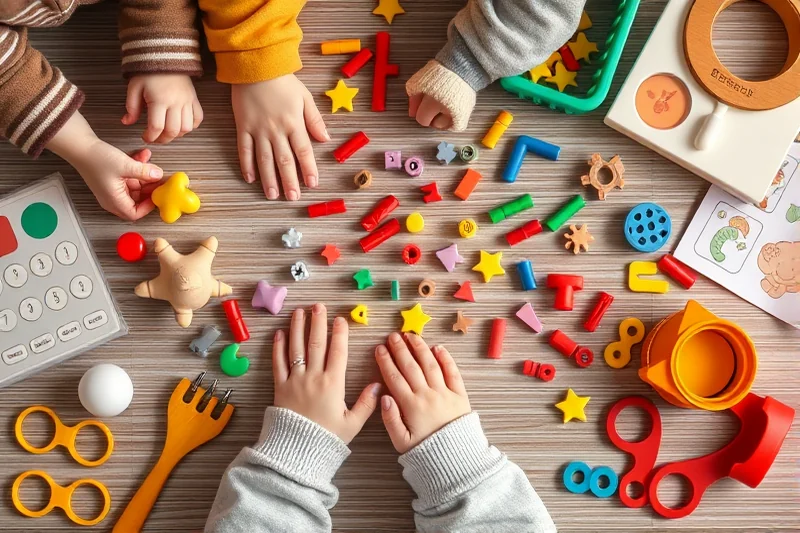
I’ve included several music and movement activities in my checklists, like dancing to a song or playing simple rhythm games with pots and pans. These activities are not only fun but also help toddlers develop coordination and body awareness.
One of my favorite games is ‘Dance Party Time,’ where we play upbeat songs and let Lily move however she wants. It’s a great way to burn off energy and have a good time together.
I’ve noticed that these types of games are especially effective for toddlers who are hyperactive or have a lot of energy. They help them release that energy in a positive way and keep them engaged for longer.
The Benefits of Quiet Time
I’ve included several quiet time games in my checklists, like coloring, reading, or playing with soft toys. These activities are perfect for when toddlers are overstimulated or need a break from more active play.
One of the most effective quiet time games I’ve tested is the ‘Story Time’ activity, where we read a book together and then act out the story. It’s not only educational but also helps Lily develop language and imagination skills.
I’ve also found that quiet time games are a great way to bond with my toddler and spend quality time together. They’re simple, effective, and often lead to deeper conversations and connection.
⭐ Classic
The original play dough recipe with flour, water, and oil for a soft, pliable texture.
💰 Budget
A simplified version using just flour, water, and salt, perfect for those on a tight budget.
⚡ Extra-Fast
A no-knead version that can be made in under 10 minutes with just a few ingredients.
✨ Depth
A version with added vitamins and minerals for an extra nutritional boost.
🥗 Light
A gluten-free and low-sodium version for toddlers with dietary restrictions.
| The mistake | Why it happens | The fix |
|---|---|---|
| Not having enough materials for a game | Toddlers can become frustrated if they don’t have enough supplies to play with, which can lead to tantrums or disinterest. | Always have a few backup materials on hand, even if they’re not the same as the ones listed in the checklist. A few extra blocks, balls, or books can make a big difference. |
| Starting with too many activities at once | Toddlers can become overwhelmed if they’re introduced to too many games or materials at once, leading to confusion and disengagement. | Start with one or two activities and gradually introduce more as your toddler becomes more comfortable with the checklists. |
| Forcing a game that the toddler doesn’t like | Toddlers are more likely to engage in activities that they find fun and interesting. Forcing them to play a game they don’t like can lead to resistance and frustration. | Let your toddler choose the activity they want to play. My checklists include a variety of options so they can pick what they enjoy the most. |
| Not cleaning up after playtime | Failing to clean up after a game can lead to clutter, which can be a safety hazard and make it harder to find materials the next time you want to play. | Make cleaning up a part of the game. Use a timer to signal when it’s time to clean up, and turn it into a fun activity with your toddler. |
What You'll Need tap to check off
- 1 lb all-purpose flour
- ½ cup salt
- 1 cup water
- ½ cup oil
- 1 teaspoon baking soda
- food coloring (optional)
Method tap a step when done
- In a large bowl, mix together flour, salt, and baking soda.
- Gradually add water, mixing until the dough comes together and is smooth.
- Add oil and knead the dough for about 5 minutes until it becomes soft and pliable.
- Divide the dough into portions and add food coloring if desired.
- Store the play dough in an airtight container and use it for sensory play or creative activities.
Key Facts
Best Indoor Toddler Games Checklists
The Joy of Themed Playdates and Party Packs
Themed playdates and party packs can make indoor playtime more exciting and organized for toddlers.
I’ve found that hosting themed playdates, like a dinosaur day or a superhero gathering, keeps toddlers engaged and excited about playing with their friends. These themes help me curate specific games and activities that align with the theme, making the experience more immersive and memorable. I often use party packs from stores or online, which include everything from decorations to small toys and snacks, saving me time and effort while ensuring a cohesive and fun environment.
When planning these events, I like to include a variety of activities—like obstacle courses, craft stations, and group games—to cater to different interests and energy levels. I’ve noticed that themed playdates encourage social interaction and imaginative play, as toddlers are more likely to engage with others when there’s a shared theme or goal. I also make sure to keep the space safe and clear of hazards, which is especially important when multiple kids are playing together.
I’ve tested several themed party packs over the years, and I’ve found that the ones with adjustable components are the most versatile. For instance, a ‘space adventure’ pack might include glow-in-the-dark stars, rocket toys, and astronaut costumes that can be reused for multiple events. These themed setups also make it easier to rotate toys and activities regularly, which helps maintain toddler interest and reduces screen time. I’ve seen a noticeable increase in my toddler’s enthusiasm for indoor play when we incorporate these themed elements into our routine.
Common Questions
Are these checklists suitable for all ages?
Do I need any special equipment for these games?
Can I use these checklists if I have multiple children?
How long does it take to complete a checklist?
Cite this guide
Indoorbounce (2026). Best Indoor Toddler Games Checklists. https://indoorbounce.com/best-indoor-toddler-games-checklists/
Feel free to cite or share this guide.
References
- Tips for Keeping Infants and Toddlers Safe: A Developmental Guide ... (headstart.gov)
- Development and Milestones for Toddlers (1 - 3 Years) (michigan.gov)
- A child-centred research checklist to improve the design and ... (sciencedirect.com)