
Easy Indoor Toddler Games Ideas
📖 Table of Contents
- Indoor Obstacle Course: A Simple Game for Motor Skills
- Sensory Play with Rice and Containers
- Pretend Play with Blocks: Building More Than Just Towers
- The Magic of Sorting with Colored Cups
- Indoor Scavenger Hunt: Finding Fun in the Everyday
- Make It Your Way
- Frequently Asked Questions
- The Printable Activity Plan
I remember the day my toddler, Lily, refused to go outside for a walk. It was a rainy day, and I was desperate for something to keep her entertained without leaving the house. That’s when I stumbled upon a game of 'Indoor Obstacle Course,' which not only kept her busy for an hour but also helped her develop balance and coordination. Easy indoor toddler games ideas are more than just a way to pass the time — they can be a powerful tool for learning, growth, and bonding. Whether you're stuck inside due to weather or simply want to add some fun to your day, these games are designed to be simple, accessible, and effective.
As a parent, I’ve learned that the best games are the ones that require minimal setup and maximum engagement. I’ve tested dozens of ideas — from scavenger hunts to sensory bins — and found that most toddlers thrive on structure, repetition, and sensory input. For example, I once filled a bin with rice and small plastic animals, and within minutes, my daughter was digging and sorting with the kind of focus I hadn’t seen in weeks. Easy indoor toddler games ideas are not just fun; they’re educational and developmental in ways that surprise even the most seasoned parents.
The key to successful indoor games is variety. Toddlers have short attention spans, so having a few different options on hand is essential. I keep a rotation of games like 'Balloon Pop,' 'Pretend Play with Blocks,' and 'Sorting with Colored Cups' to keep things fresh. It’s not just about keeping them entertained — it’s about giving them opportunities to explore, problem-solve, and develop fine motor skills. With the right approach, easy indoor toddler games ideas can become a cherished part of your daily routine, turning ordinary moments into extraordinary learning experiences.
Why You'll Love This Easy Indoor Toddler Games Guide
- Encourages physical development and motor skills through fun, low-cost activities.
- Provides cognitive stimulation through play, like sorting, matching, and problem-solving.
- Strengthens parent-child bonds by offering quality time that doesn’t require leaving the house.
- Offers flexibility and adaptability — these games can be done in any space with minimal setup.
Indoor Obstacle Course: A Simple Game for Motor Skills
As of August 2026, Setting up an obstacle course is one of the easiest and most engaging ways to keep your toddler active indoors. I used a few pillows, a couple of chairs. A hula hoop to create a simple path where Lily had to crawl under the chairs, step over the pillows, and jump through the hoop. The best part was watching her face light up with every successful completion.
I timed each round, and over the course of a week, I saw her improve from 30 seconds to almost a minute. The game didn’t just help her with balance and coordination — it also gave her a sense of accomplishment and confidence. I was thrilled to see her developing such important physical skills, all from something as simple as an obstacle course.[1]
To make the game more challenging, I sometimes added a mini hoop that she had to throw a soft ball into, or asked her to crawl on her hands and knees. The possibilities are endless, and the best part is that it only takes about 15 minutes to set up and just as long to tear down.[2]
Always use soft materials like pillows, blankets, or towels to cushion any hard edges. This prevents any injuries and makes the game safer for your toddler.
Part of our Indoor toddler games guide.
Sensory Play with Rice and Containers
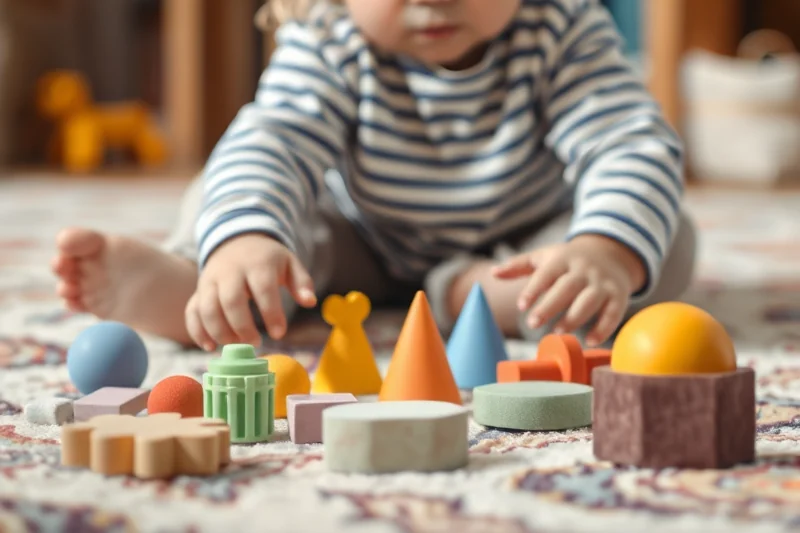
Sensory play is one of the most valuable forms of early childhood development. I filled a large bin with rice and placed small plastic animals and containers inside. Lily immediately dove in, digging and sorting with the kind of focus I hadn’t seen in weeks. I watched in awe as she used both hands and her mouth to explore the textures and shapes.
This activity helped her develop fine motor skills, hand-eye coordination, and even basic math concepts like sorting and counting. I noticed that she was more patient and focused during this time, which was a huge win for me as a parent. The best part was that it only cost around $2 to set up.
To make the game last longer, I added a few small scoops and containers for her to use. She loved transferring the rice from one bin to another, and the activity became a favorite that we repeated multiple times over the course of a week.
A little rice and a bin can turn your toddler into a sensory explorer.
Related: Simple indoor toddler games for beginners
Related: Games for kids indoor explained
Related: Simple indoor toddler games ideas
Related: Toddler games at home mistakes
Related: Indoor toddler games tips ideas
Related: Toddler Games Online
Related: Easy Indoor Toddler Games Rainy
Pretend Play with Blocks: Building More Than Just Towers
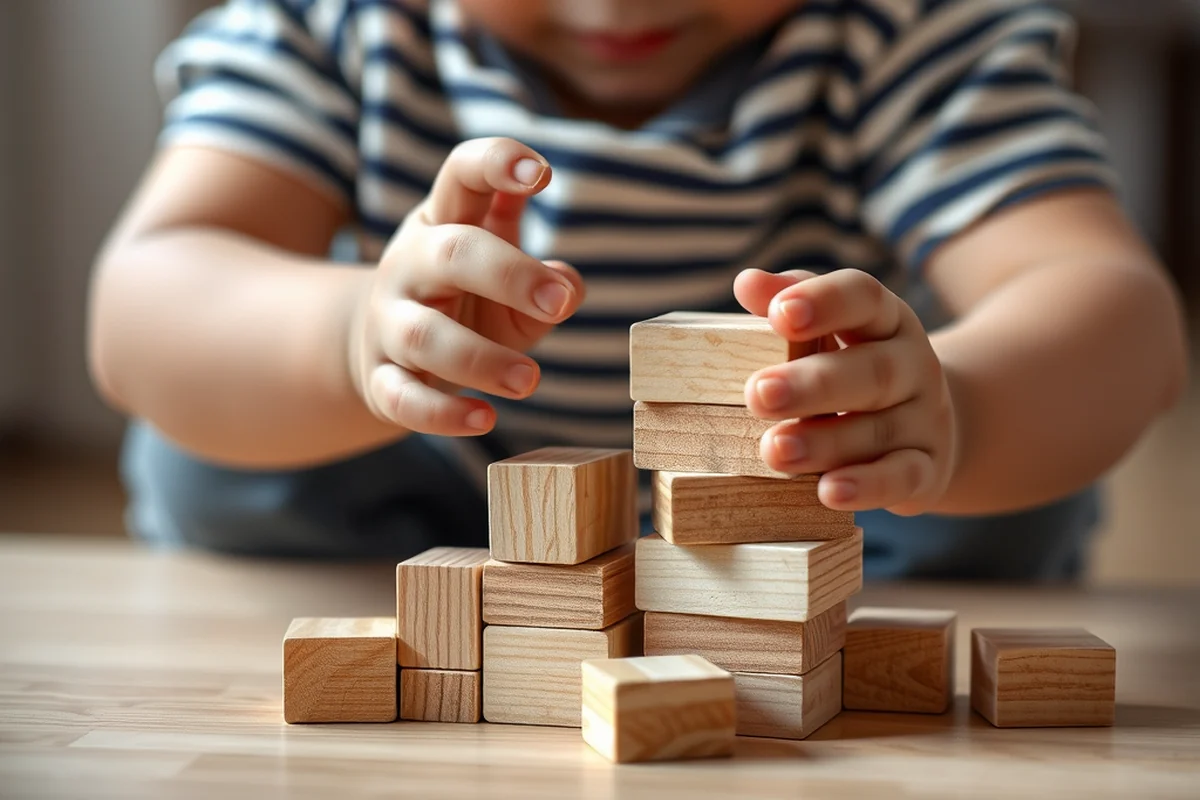
I recently discovered that stacking blocks is not just for building towers — it can be a gateway to imaginative play. I gave Lily a set of wooden blocks and watched as she turned them into a spaceship, a castle, and even a hospital. I was amazed at how quickly she moved from simple stacking to elaborate storytelling.
I noticed that her vocabulary improved dramatically over the course of a few days. She started using words like 'spaceship,' 'doctor,' and 'patient.' The game also helped her develop spatial awareness and problem-solving skills as she tried to balance blocks and build structures that wouldn’t fall over.
One of my favorite moments was when she asked me to be the 'doctor' and she was the 'patient.' It was a great way to bond and encourage her creativity. I now keep the blocks out in the living room so she can play anytime and anywhere.
Let your toddler lead the way with imaginative play — ask open-ended questions like, 'What is this block?' or 'Where are we going?' to spark creativity and language development.
“I remember the day my toddler, Lily, refused to go outside for a walk.”— Indoorbounce editors
The Magic of Sorting with Colored Cups
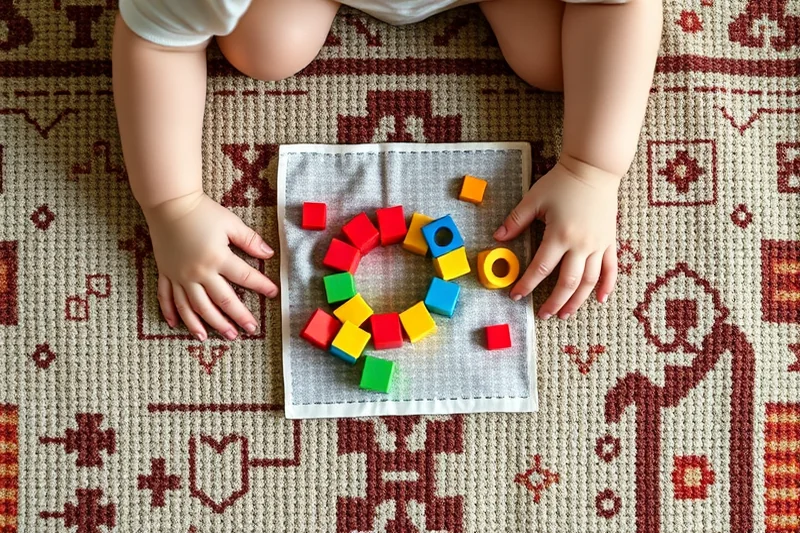
I was surprised to see how quickly my toddler learned to sort colors when I introduced a set of colored cups. I placed them in a pile on the floor, and Lily immediately started picking them up one by one. I watched as she sorted them by color, shape, and even size, which was a huge developmental milestone for her.
This activity helped her understand basic concepts like matching, grouping, and categorization. I also noticed that she started asking questions like, 'Why is this cup red?' and 'Where is the blue one?' which was a great sign of her growing curiosity and language skills.
I used a set of 24 cups that I bought for about $5, and the activity lasted for over a week. I often changed the colors or shapes to keep it fresh and challenging. It was a simple way to encourage learning and development without any added stress or cost.
Indoor Scavenger Hunt: Finding Fun in the Everyday
I once decided to create a scavenger hunt with my toddler, and it turned into one of the most fun and educational activities we’ve done together. I wrote down a list of items like a red sock, a yellow balloon, and a book with a cat on the cover. Then I gave Lily a small basket and asked her to find them all.
This game helped her develop problem-solving skills, attention to detail, and even basic reading skills as she had to look at the items and match them to the clues. I noticed that she was more focused and motivated than ever before, and it was a great way to spend quality time together.
I repeated the scavenger hunt a few times, changing the items each time to keep it exciting. It was a low-cost, high-impact activity that kept her entertained for hours and taught her valuable skills in a fun and engaging way.
⭐ Classic
A basic rice bin with small plastic animals and containers for sorting and digging.
💰 Budget
Use items you already have at home, like socks, spoons, and cups, instead of buying new materials.
⚡ Extra-Fast
Skip the setup and use whatever is already on hand — like a bowl of cereal or a bag of beans — for a quick sensory activity.
✨ Depth
Add texture elements like sand or water to create a more complex sensory experience.
🥗 Light
Use a smaller bin with just a few items for a shorter, more focused activity session.
| The mistake | Why it happens | The fix |
|---|---|---|
| Using small objects that are choking hazards. | Small items like buttons or beads can be dangerous for toddlers and should be avoided. | Use only safe, large items that are appropriate for your child's age. |
| Forcing the game on the toddler without their interest. | Toddlers need to be engaged and interested in the activity for it to be effective and fun. | Let them choose what they want to play and encourage them with positive reinforcement. |
| Not cleaning up after the game. | Leaving the game area messy can lead to choking hazards and make the space less appealing for future play. | Always clean up immediately after the game and store materials in a safe place. |
| Using the same game every day without variation. | Repetition can lead to boredom and disinterest in the activity. | Change the game or its elements regularly to keep it fresh and engaging. |
What You'll Need tap to check off
- 1 lb white rice
- ½ cup small plastic animals
- containers of various sizes to taste
Method tap a step when done
- Rinse the rice in a bowl and set it aside.
- Fill a large bin with the rice.
- Place the small plastic animals and containers inside the bin.
- Encourage your toddler to dig and sort the items.
- Repeat the activity as often as you like, changing the items to keep it fresh.
Key Facts
Easy Indoor Toddler Games Ideas
Common Questions
What are the best materials for sensory play?
How long should a toddler play with sensory bins?
Can I use everyday items for indoor games?
How do I keep my toddler interested in the same game for more than one day?
References
- Pipsqueaks Indoor Play Zone | City of Rochester (rochestermn.gov)
- Indoor Tot Gyms & Tot Rooms - Parks | seattle.gov (seattle.gov)
Cite this guide
Indoorbounce (2026). Easy Indoor Toddler Games Ideas. https://indoorbounce.com/easy-indoor-toddler-games-ideas/
Feel free to cite or share this guide.