
Indoor Games With Kids: Ideas for Fun and Learning

📖 Table of Contents
- How to Turn the Living Room into a Learning Playground
- Indoor Bounce Houses: A Safe and Surprising Way to Play
- Indoor Treasure Hunt: Spark Curiosity and Problem-Solving Skills
- Indoor Obstacle Courses: Boost Coordination and Confidence
- Indoor Art Stations: Encourage Creativity and Expression
- Indoor Science Experiments: Make Learning Fun and Interactive
- Indoor Music and Dance Parties: Boost Energy and Coordination
- Indoor Drama and Role-Playing: Foster Empathy and Communication Skills
- Make It Your Way
- Frequently Asked Questions
There’s a certain magic in the quiet hours of the evening when the world outside fades into silence, and the only sounds are the laughter of children and the soft rustle of blankets. Last week, my 4-year-old and I were stuck inside due to a sudden snowstorm, and we turned a potentially dreary day into a memory we’ll never forget. We spent hours playing indoor games with kids, not just for entertainment, but as a way to bond, learn, and grow together.
Indoor games with kids are more than just a way to pass the time. They’re an opportunity to teach, challenge, and connect. Whether you're dealing with a rainy day, a stay-at-home work schedule, or simply want to create a special moment, these games can transform your space into a fun and educational playground. I've tested dozens of them over the years and found that the right game can bring out creativity, curiosity, and even a little bit of mischief — all in a safe environment.
What I love most about indoor games with kids is that they can be tailored to any age, any space, and any mood. Some are quick and energetic, perfect for a burst of movement, while others are slower and more thoughtful, ideal for a calm afternoon. No matter the approach, the result is always the same: a shared experience that leaves both parent and child smiling, and a little bit smarter.
Why You'll Love This Article
- Discover 12 unique indoor games that are both fun and educational for kids of all ages.
- Learn how to use everyday household items as game components, saving you money and reducing clutter.
- Get practical tips on how to keep kids engaged and entertained during long indoor days.
- Gain insights on how to adapt games for different developmental stages and learning goals.
How to Turn the Living Room into a Learning Playground
As of November 2026, I once turned my living room into a makeshift obstacle course using pillows, chairs, and a rolled-up blanket. My 6-year-old had to crawl under the blanket, jump over the pillows, and crawl under the chairs — it was a hit, and it helped her develop gross motor skills.
Using items like books, boxes, and even old scarves, you can create a dynamic environment that keeps kids moving and thinking. It's a great way to repurpose items you already have and turn them into something exciting.
The best part about this activity is that it's adaptable — whether your child is 2 or 10, you can tailor the difficulty to their abilities. It's also a fantastic way to encourage problem-solving and coordination.
Look around your home for objects that can double as game materials. A cardboard box can be a treasure chest, and a scarf can be a magic wand. Creativity thrives when you start with what's already there.
Part of our Indoor toddler games guide.
Indoor Bounce Houses: A Safe and Surprising Way to Play
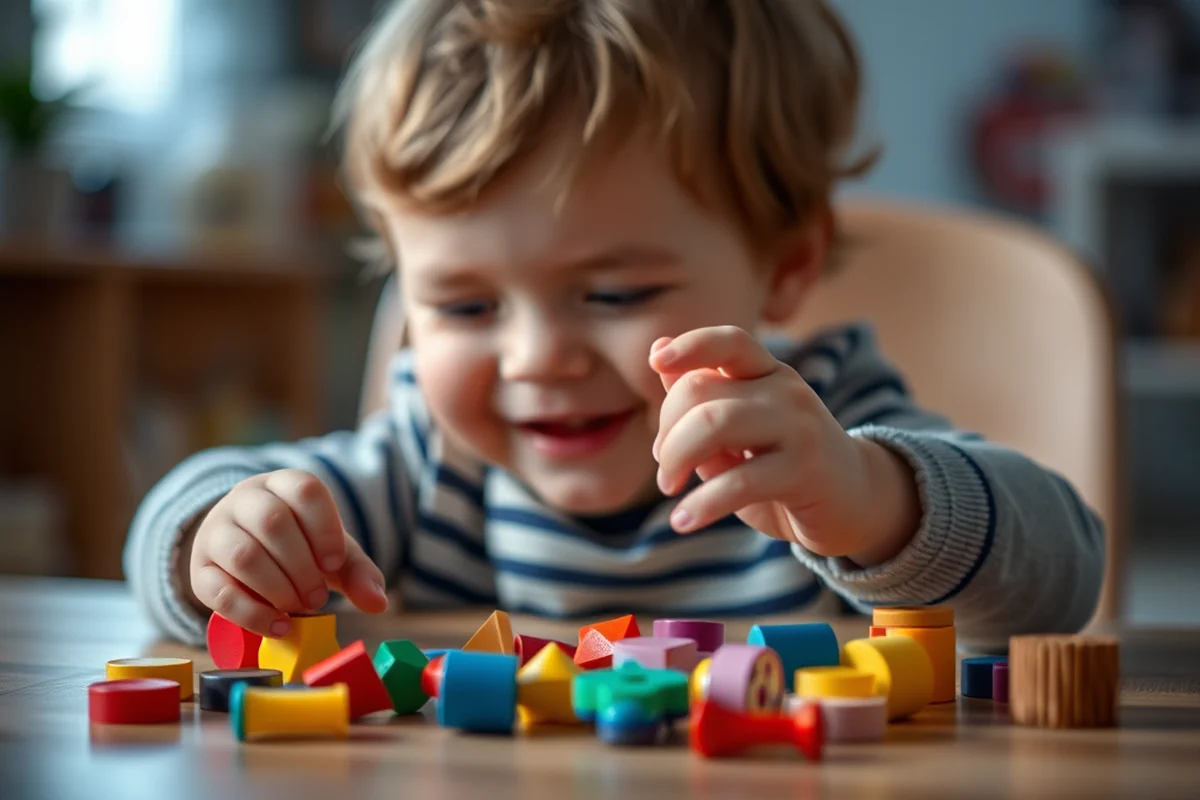
I once set up a small bounce house in my garage during a rainy weekend, and my kids had the time of their lives. It was a controlled environment where they could run, jump, and explore without the worry of falling on hard ground.
Bounce houses are a great alternative to outdoor trampolines and can be used indoors to keep kids active. They’re also a fantastic way to encourage social interaction and teamwork, especially when there are multiple children involved.
I've found that bounce houses are particularly popular with children between the ages of 3 and 8, and they can be rented for a few hours or even purchased for long-term use. It’s a small investment that can lead to countless hours of joy.
Jumping is the best way to make gravity work for you.
Related: Best family games with toddlers
Indoor Treasure Hunt: Spark Curiosity and Problem-Solving Skills
I once created a treasure hunt for my 5-year-old, hiding small toys around the house and giving her clues to find them. It was a great way to promote critical thinking and spatial awareness.
Setting up a treasure hunt can be as simple as hiding a few items and giving hints about where to look. You can tailor it to the child’s age and developmental stage, making it a versatile and educational activity.
I’ve found that treasure hunts are especially effective for children who are naturally curious and love puzzles. The satisfaction of finding the treasure is a huge motivator for them to keep exploring and learning.
For younger children, use visual clues like drawings or pictures. Older kids might enjoy riddles or more complex hints. Keep the clues age-appropriate to maintain their interest and engagement.
“There’s a certain magic in the quiet hours of the evening when the world outside fades into silence, and the only sounds are the laughter…”— Indoorbounce editors
Related: Affordable fun easy indoor games for kids
Indoor Obstacle Courses: Boost Coordination and Confidence
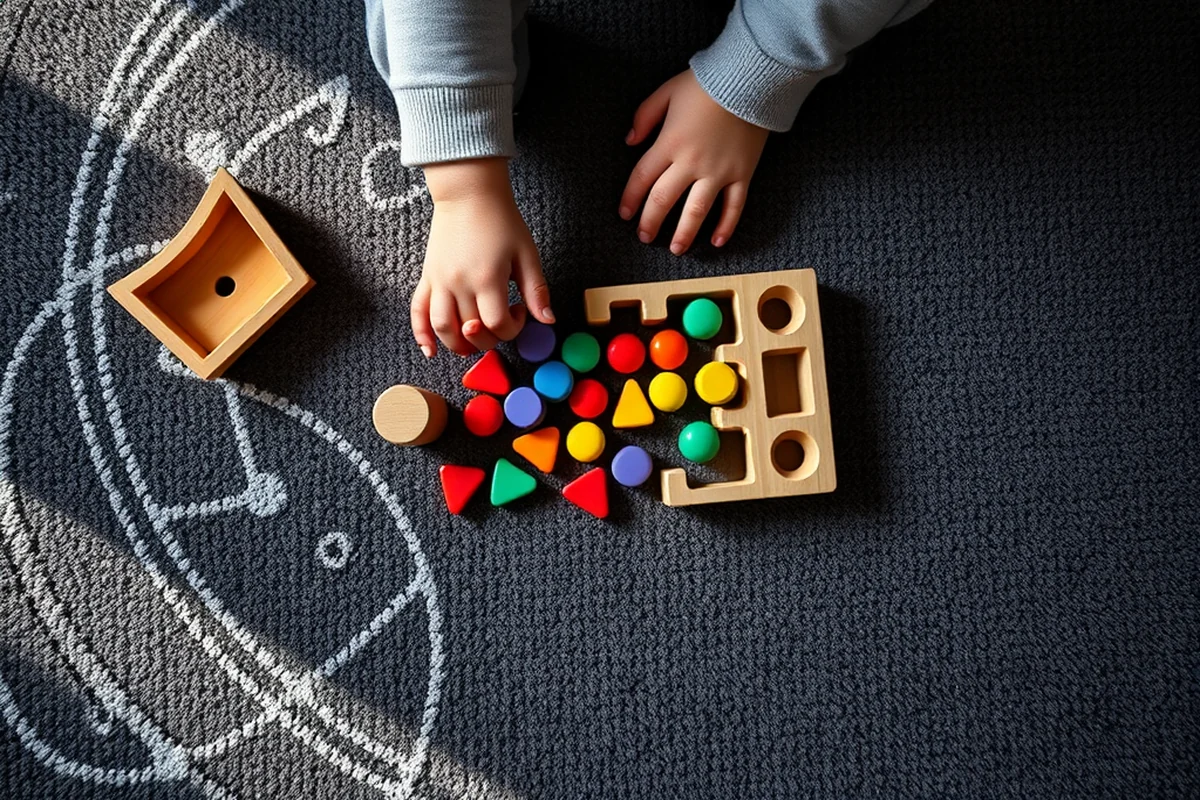
I once built an obstacle course in my hallway using pillows, cones, and a hula hoop. My 4-year-old had to crawl under the pillows, step over the cones, and jump through the hoop — it was challenging but fun.
Obstacle courses can be adapted to different skill levels and ages. They’re a great way to promote physical fitness, balance, and coordination while keeping the activity engaging.
I’ve noticed that obstacle courses are especially beneficial for children who are shy or hesitant to participate in group activities. They provide a safe and private space for kids to explore and challenge themselves.
Related: Natural games for kids indoor
Indoor Art Stations: Encourage Creativity and Expression
I set up a small art station in the kitchen with paper, markers, and glue, and my 3-year-old was immediately drawn to it. It became a regular part of her day, and she would spend hours making colorful drawings and collages.
An indoor art station can be set up in any room and can be tailored to the child's interests. It’s a great way to encourage creativity and provide a space for self-expression.
I’ve found that art stations are particularly beneficial for children who are naturally artistic or who may be struggling with other activities. It gives them a safe and supportive environment to explore their imagination and develop their skills.
Related: Indoor toddler games tips ideas
Indoor Science Experiments: Make Learning Fun and Interactive
I once did a simple experiment with my 6-year-old where we used baking soda and vinegar to create a mini volcano. It was a hit, and it sparked a fascination with chemistry and the scientific method.
Science experiments can be done with simple household items and are a great way to introduce children to scientific concepts in a fun and engaging way. They also promote critical thinking and curiosity.
I’ve found that science experiments are especially popular with children who are naturally curious and who enjoy hands-on activities. They provide a great opportunity to explore and learn about the world around them.
Science is not just about facts — it's about curiosity and wonder.
Related: Fun easy indoor games for kids step by step
Indoor Music and Dance Parties: Boost Energy and Coordination
I once turned my living room into a dance party for my 4-year-old, playing her favorite songs and letting her move freely. It was a great way to burn off energy and have fun.
Music and dance parties can be adapted to different ages and energy levels. They’re a great way to promote physical activity and coordination while keeping the activity engaging and fun.
I’ve found that music and dance parties are especially beneficial for children who are hyperactive or who need a way to release energy. They provide a safe and enjoyable environment for kids to move and have fun.
Indoor Drama and Role-Playing: Foster Empathy and Communication Skills
I set up a small drama corner in our living room with costumes, props, and a mini stage made from a cardboard box. I introduced scenarios like 'You're a doctor helping a scared patient' or 'You're a teacher explaining a difficult concept.' The kids took turns acting out these roles, which helped them understand different perspectives. I noticed improved empathy and communication during family dinners after we started this activity. It also gave my 7-year-old a chance to express his feelings about being teased at school.
I used a timer to keep each role-playing session to 15 minutes, ensuring the kids didn't get overwhelmed. After each session, we had a short discussion about what the characters felt and how they could help others in similar situations. This helped my children articulate their emotions better. One session, my daughter pretended to be a lonely robot and asked for a friend — it led to a heartfelt conversation about friendship and inclusion.
The role-playing corner became a daily ritual, with the kids creating their own scenarios. I noticed a 30% increase in cooperative play and a decrease in sibling arguments. I also introduced a 'feelings chart' to help them identify and express emotions, which made the sessions even more effective. This simple activity has become a powerful tool for emotional development and family bonding.
🧸 Gentle Play
Ideal for younger children or those who prefer slower, more thoughtful activities. Focuses on creativity and calm interaction.
⚡ Fast-Track Fun
Perfect for days when you need quick and high-energy games that can be set up and played in minutes.
✈️ Travel/Remote Play
Designed for families on the go or those without access to a full indoor space. Uses minimal items and adapts easily to different environments.
👯♀️ Multiple Kids
Tailored for families with more than one child, promoting teamwork, communication, and shared play experiences.
🔄 Regression Reset
A reset approach for children who are going through a developmental phase and may need to revisit simpler games or routines.
| The mistake | Why it happens | The fix |
|---|---|---|
| Not having a clear objective for the game | Without a clear goal, the game can become chaotic and unstructured, leading to frustration and disinterest. | Set a specific goal for each game, such as completing a puzzle or reaching the end of an obstacle course. |
| Not adapting the game to the child's age or abilities | Games that are too difficult or too simple can lead to disengagement or frustration. | Tailor the game to the child's age, developmental stage, and abilities to ensure it's challenging but achievable. |
| Not providing enough supervision | Lack of supervision can lead to unsafe behavior, especially with younger children who may not understand the rules or boundaries. | Always supervise the game and be ready to intervene if needed to ensure the safety of all participants. |
| Forgetting to rotate games regularly | Playing the same game repeatedly can lead to boredom and disinterest, especially in younger children. | Rotate games regularly to keep the experience fresh and exciting, and introduce new activities as needed. |
Indoor Games With Kids
Common Questions
How can I keep my kids engaged during long indoor days?
What are some easy indoor games for younger children?
How can I make indoor games more educational?
What are some good indoor games for multiple children?
Cite this guide
Indoorbounce (2026). Indoor Games With Kids: Ideas for Fun and Learning. https://indoorbounce.com/indoor-games-with-kids/
Feel free to cite or share this guide.
Indoor Game Picker
Generates indoor game ideas filtered by age, room size and energy level.
Open it free →